

Student Support & Belonging at KIPP Nashville
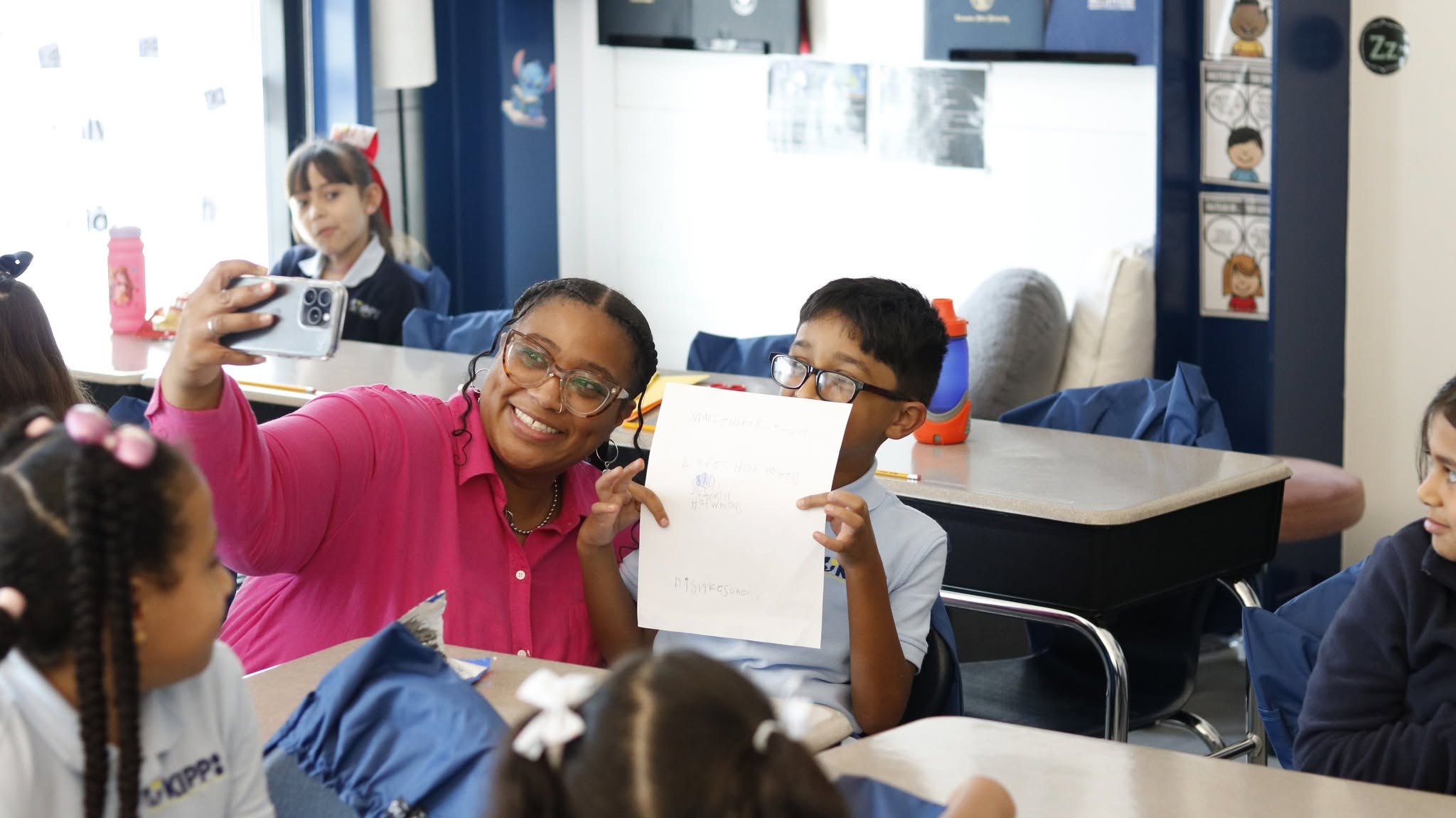
Students learn best when they feel known, supported, and connected to their school community. Academic expectations matter, but so do the relationships, resources, and experiences that help students navigate challenges and develop confidence.
At KIPP Nashville, student support and belonging are part of the educational experience from kindergarten through 12th grade. Our schools work to create safe, structured, and nurturing environments where students can build relationships, develop their identities, ask for help, and grow academically and personally.
Every student brings different strengths, experiences, interests, and needs to school. Our goal is to help students feel that they have a place in their school community while providing support that helps them keep moving forward.
Supporting the Whole Student
Students bring their whole selves into the classroom.
KIPP Nashville’s approach considers rigorous academics alongside students’ social-emotional development, well-being, identity, and sense of purpose. The goal is to create an environment where students can focus on learning while developing skills that help them navigate school, relationships, challenges, and future transitions.
Support can look different depending on a student’s age and individual needs.
An elementary student may be learning how to communicate feelings, participate in classroom routines, or ask an adult for help. A middle school student may need support navigating changing friendships, greater academic responsibility, or their developing identity. A high school student may be balancing challenging coursework with questions about college, career, and life after graduation.
At every stage, relationships with caring adults can provide students with an important source of guidance.
Creating a Place Where Students Belong
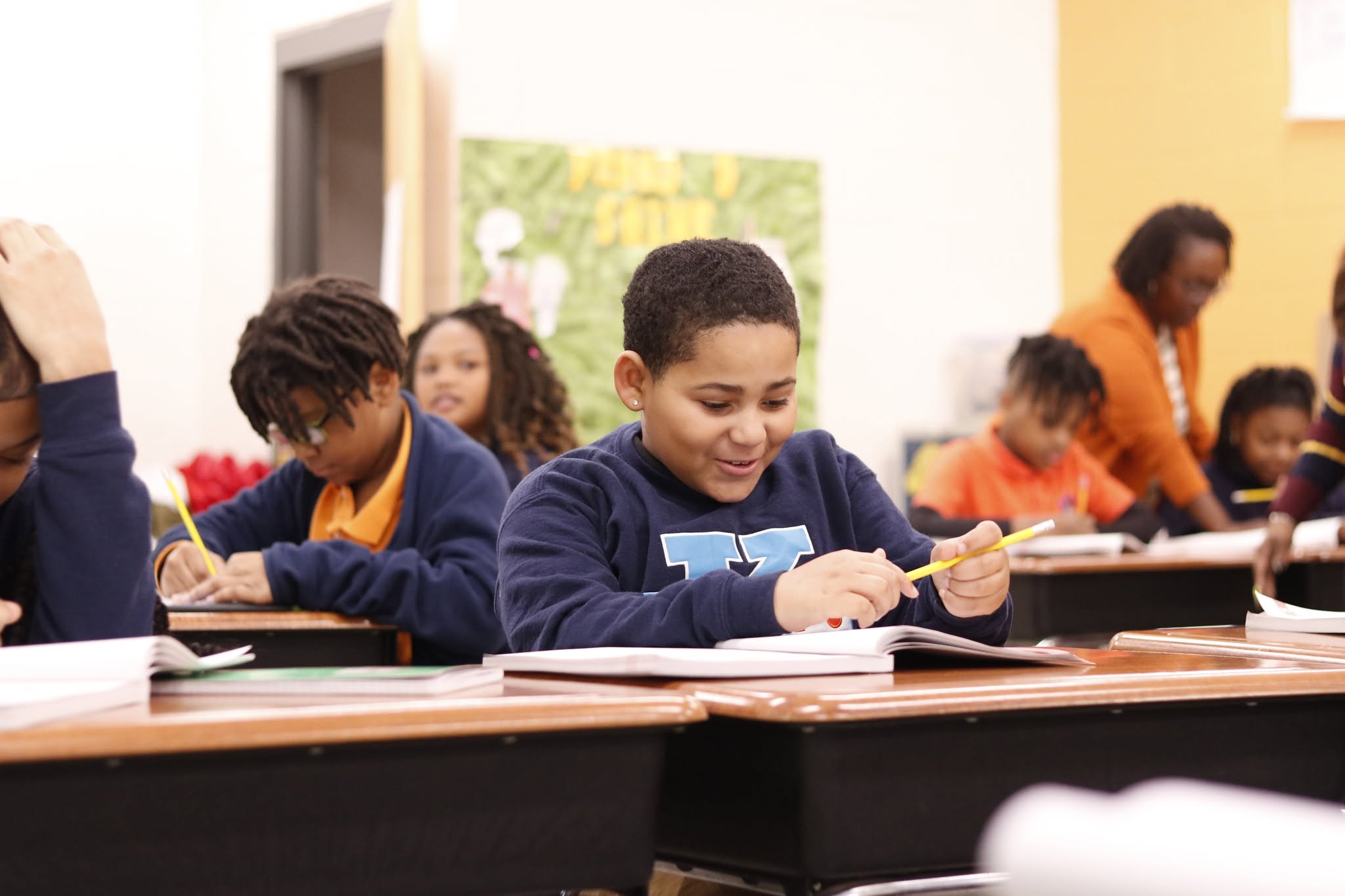
Belonging isn’t a single program or activity. It’s something students experience through their everyday interactions at school.
It can mean knowing that a teacher recognizes your strengths. Having classmates who encourage you. Finding an activity where you can express yourself. Feeling comfortable asking a question. Seeing your identity and experiences respected within your school community.
KIPP Nashville’s new website strategy makes Belonging & Enrichment one of the network’s central promises to families, emphasizing student voice, identity, relationships, arts, clubs, athletics, and leadership.
Across KIPP Nashville schools, students have opportunities to form meaningful relationships with peers and adults while becoming active members of their communities.
Relationships That Support Growth
Strong relationships can make it easier for students to take on challenges.
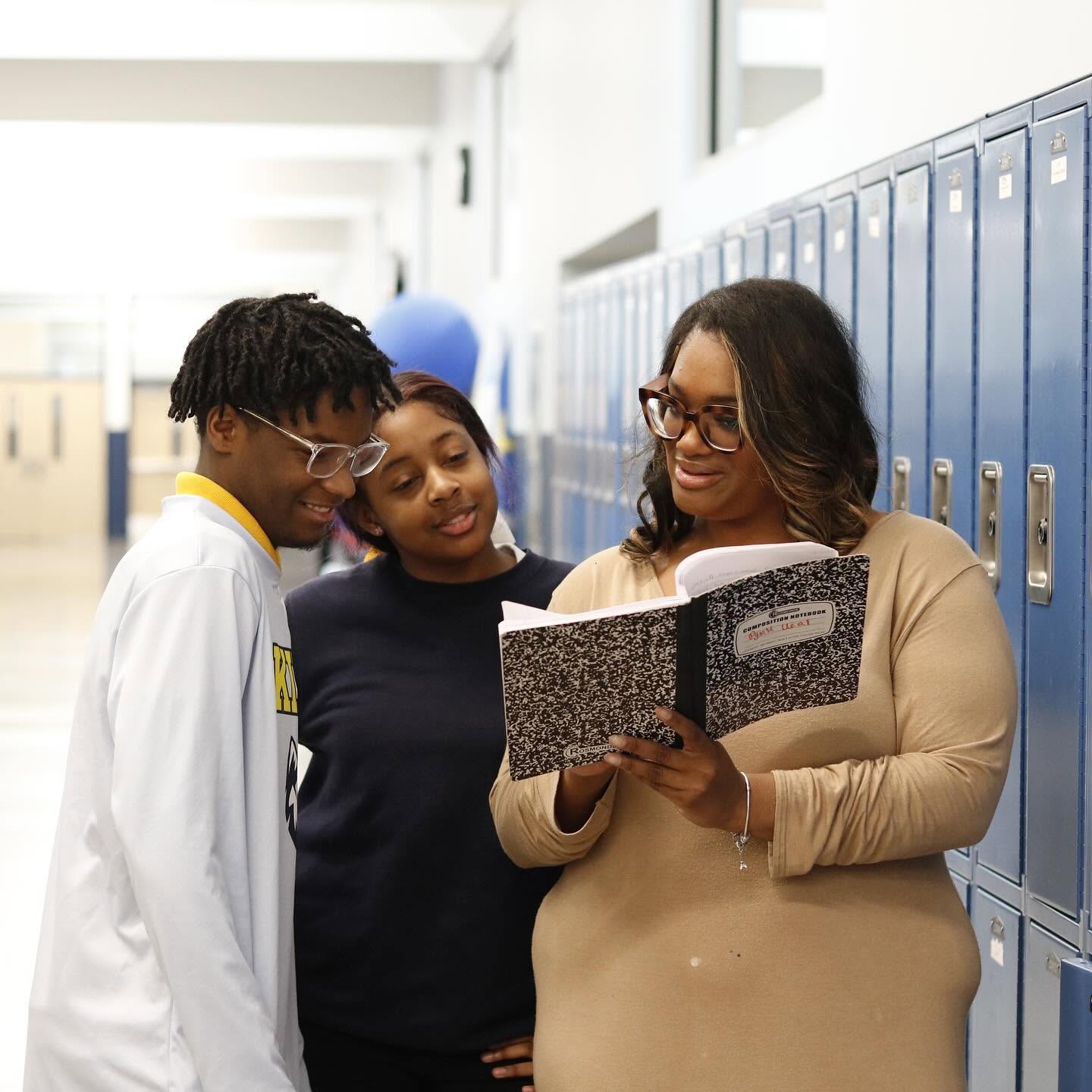
When teachers know their students, they can better understand how they learn, recognize when they may need support, celebrate their progress, and encourage them to keep going.
KIPP Nashville works to create school communities where students are known as individuals rather than simply as names on a class roster.
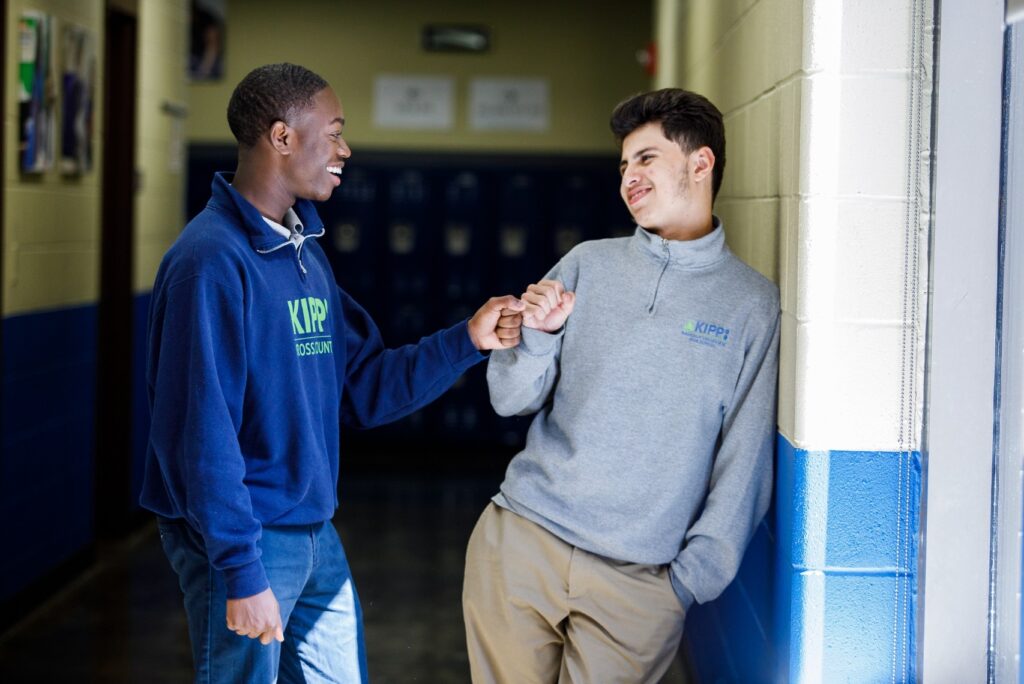
Students are also encouraged to build positive relationships with one another. Through classroom collaboration, activities, athletics, performances, clubs, and everyday interactions, students learn how to communicate, work as a team, navigate disagreements, and contribute to a larger community.
Those relationships can help students develop confidence while giving them a network of people they can turn to throughout their school experience.
Social-Emotional Learning and Well-Being
Growing academically often requires students to develop skills that aren’t measured on a traditional test.
Students may need to learn how to work through frustration, communicate what they need, manage responsibilities, collaborate with others, or approach a challenge with a different strategy.
KIPP Nashville’s whole-child approach recognizes social-emotional development and well-being as important parts of students’ educational experiences.
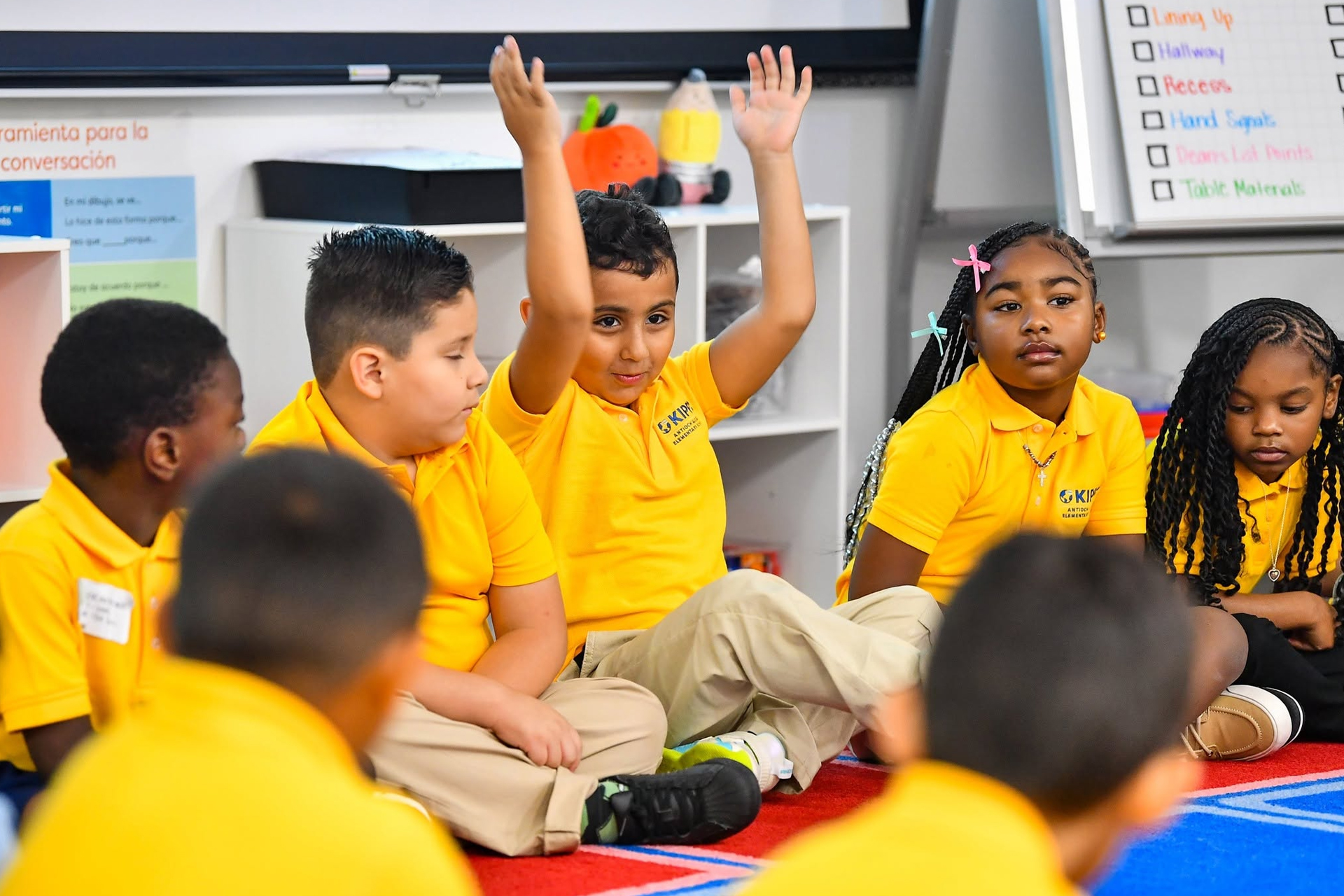
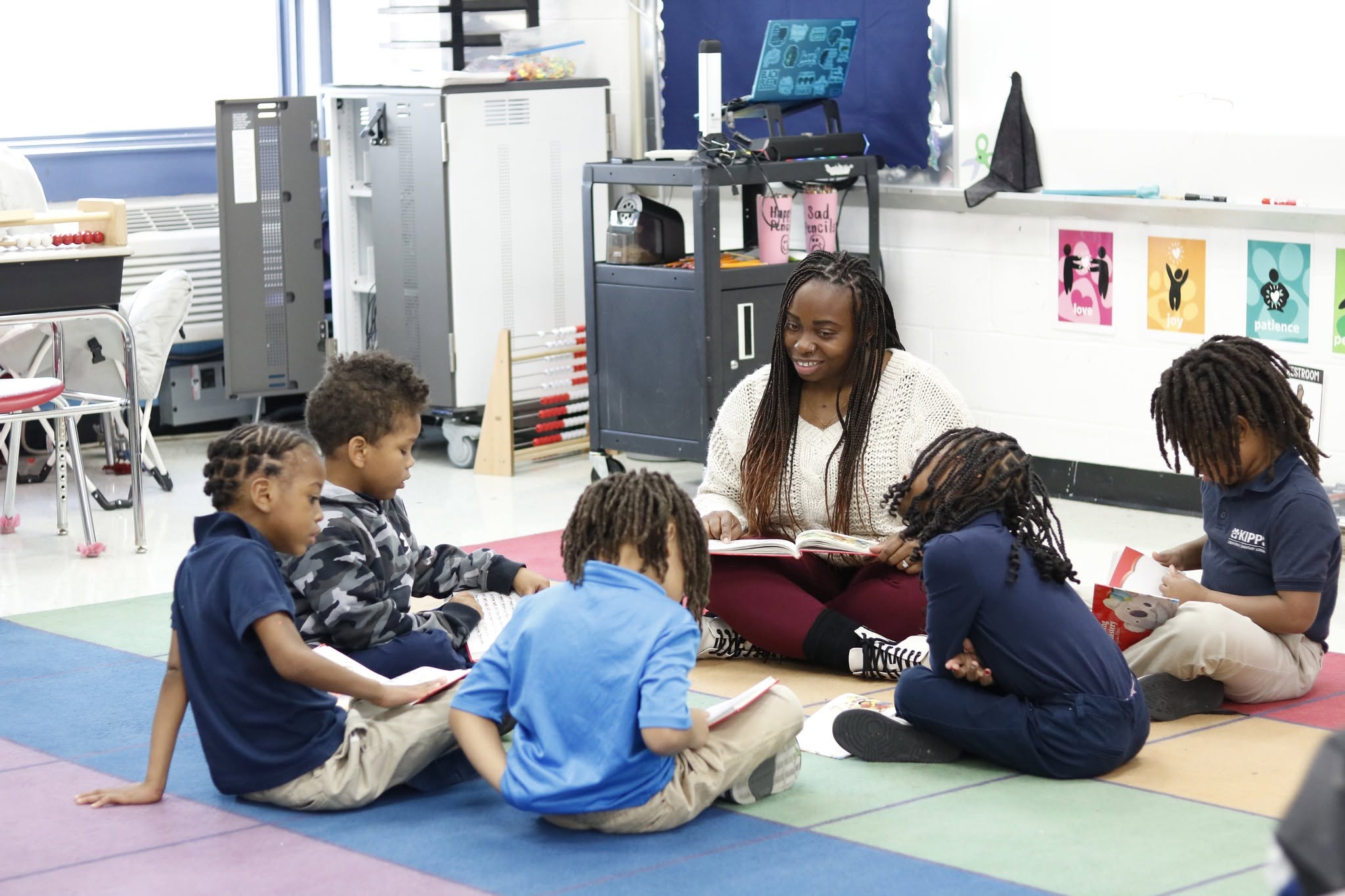
Specific practices can vary by school and grade level. For example, some elementary campuses incorporate Morning Meetings, mindfulness, or other structured opportunities for students to build relationships and practice social skills.
As students get older, these skills continue developing alongside greater academic and personal independence.
Support for Different Learners
Every student learns differently, and some students need additional or specialized support to access their education.
KIPP Nashville’s Student Supports Team provides learning opportunities and services for students with a range of educational needs, including:
- Students receiving special education services
- English Language Learners
- Gifted students
The specific services available to a student depend on their individual needs and educational plan.
Families with questions about special education, language services, gifted education, accommodations, or another specific need should speak directly with the school they’re considering. The campus team can provide more relevant information about available services and how support may look for an individual student.
Student Voice and Identity
As students grow, they’re also learning more about themselves.
School can give students opportunities to explore their interests, express their perspectives, develop their voices, and understand how they contribute to their communities.
KIPP Nashville encourages students to participate actively in learning rather than simply receive information. Classroom conversations can give students opportunities to communicate ideas, consider different perspectives, and become more confident expressing what they think.
Outside the classroom, activities such as student council, arts, music, athletics, clubs, and leadership opportunities can provide additional ways for students to discover where they feel most engaged.
Students don’t all need to participate in school in the same way. Providing different opportunities gives them more ways to find meaningful connections.
Arts, Athletics and Activities Build Community
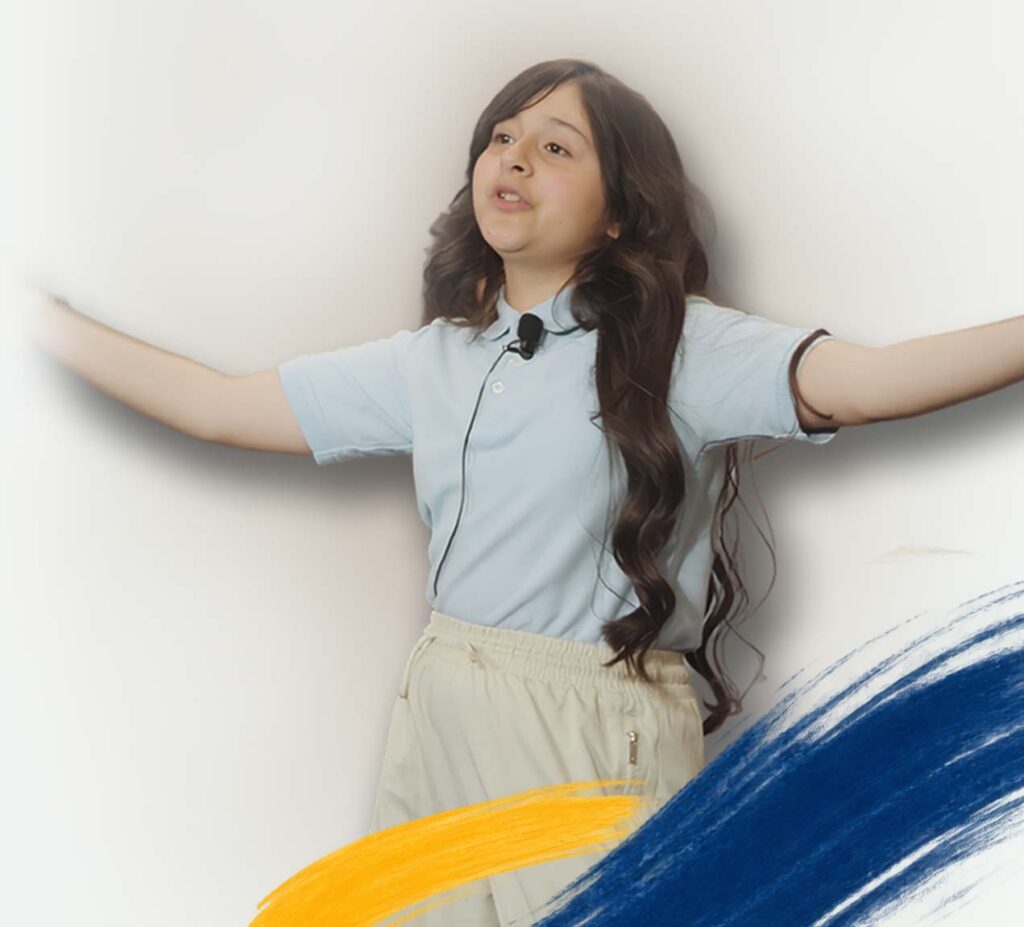
Sometimes belonging begins with finding your thing.
For one student, that may be joining a basketball team. For another, it could be performing with a choir, participating in student council, making art, joining a club, or trying an activity they’ve never experienced before.
Depending on the campus and grade level, KIPP Nashville students may have opportunities to participate in:
- Music
- Band and choir
- Visual and performing arts
- Basketball
- Soccer
- Track and cross country
- Cheerleading
- Step team
- Student council
- Clubs and other enrichment activities
Specific opportunities vary by school, season, and year.
These experiences can do more than fill time after class. They give students opportunities to build friendships, practice teamwork, develop leadership skills, express themselves, and contribute to their school communities.
Support Changes as Students Grow
What students need from their school changes throughout their K–12 journey.

Elementary School
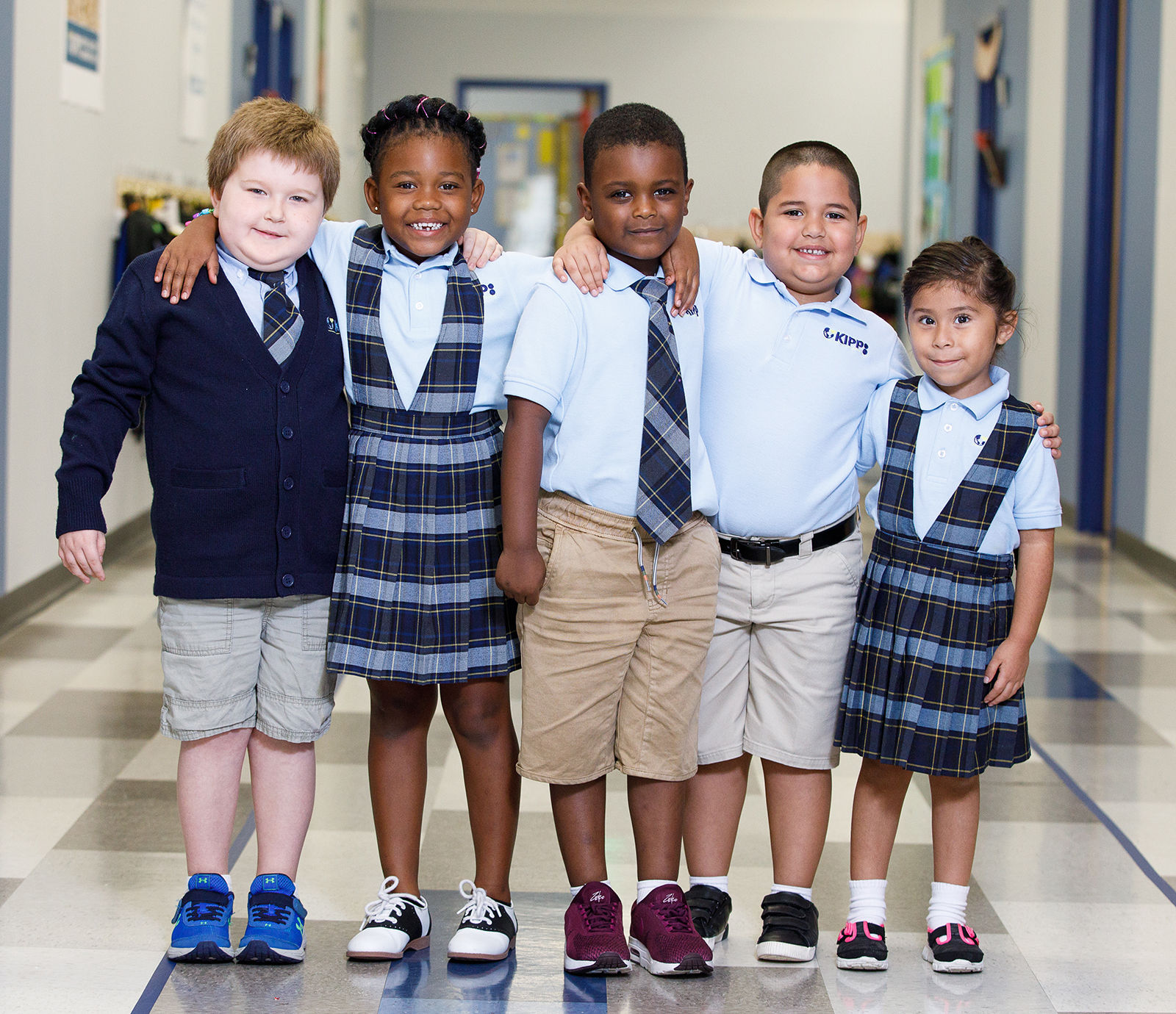
Young students are learning how school works while building foundational academic and social skills.
Support during these years can focus on establishing routines, developing relationships, communicating needs, building confidence, and learning how to participate in a classroom community.
Middle School
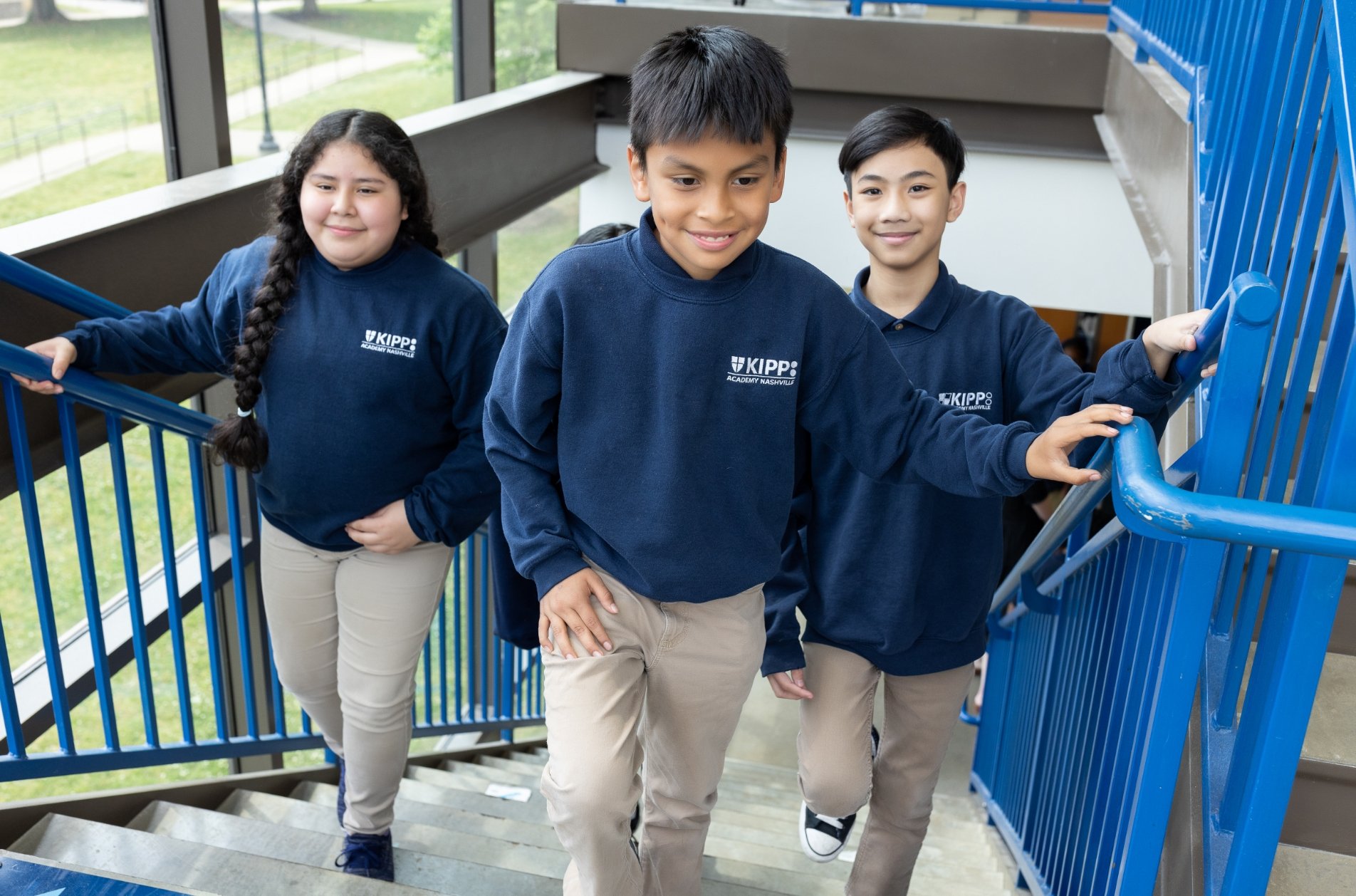
Middle school brings greater independence alongside significant social and personal change.
Students are managing more complex coursework, changing relationships, new responsibilities, and a growing sense of identity. Teachers and staff can provide structure and guidance while encouraging students to advocate for themselves and become increasingly independent.
High School
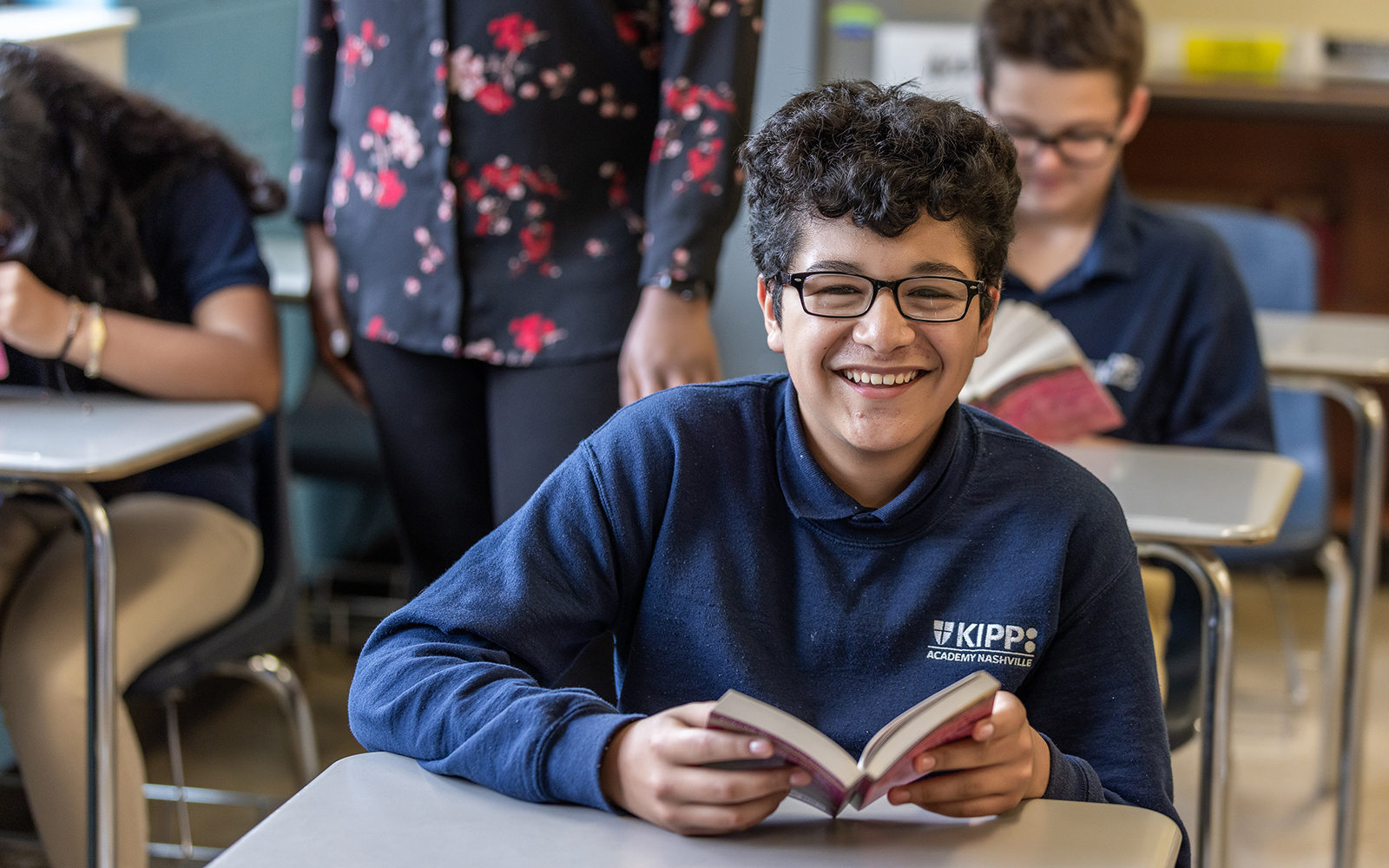
High school students are balancing rigorous academics, activities, relationships, and decisions about their futures.
Support increasingly includes helping students take ownership of their education while preparing for life after graduation. Through KIPP Forward, students can also receive individualized guidance as they explore college, technical education, career, and other postsecondary options.
The type of support changes, but the goal remains consistent: help students develop the skills and confidence to navigate their next step.
Helping Students Prepare for Their Futures
A sense of belonging can also influence how students think about their futures.
Students should have opportunities to discover what interests them, recognize their strengths, and understand the choices available after high school.
Through KIPP Forward, high school students receive individualized college and career guidance as they explore potential pathways. Support can include interest and aptitude exploration, ACT preparation, college research and applications, financial aid guidance, career exposure, and planning based on a student’s individual goals.
The goal isn’t to prescribe the same future for every student. KIPP Nashville’s new-site strategy specifically calls for future-readiness messaging that emphasizes individualized guidance and multiple pathways.
KIPP Forward can also continue supporting alumni after graduation as they navigate college and career pathways.
Families Are Part of the Team
Supporting students works best when families and schools can communicate with one another.
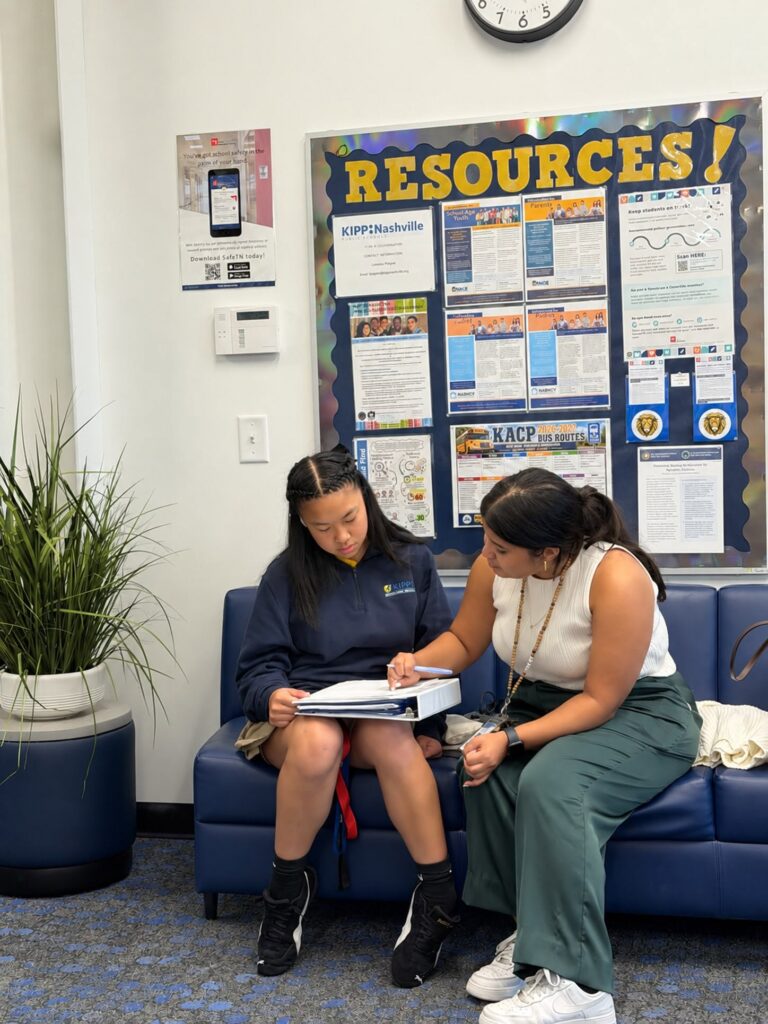
Parents and caregivers know their students in ways schools cannot. Teachers and staff see students in a different environment and can provide insight into academic progress, classroom participation, relationships, and areas of growth.
Bringing those perspectives together can create a stronger support system.
Families are encouraged to stay connected, ask questions, communicate concerns, and reach out when their student needs help.
That partnership can be especially valuable during transitions—from starting kindergarten to entering middle school, beginning high school, or preparing for graduation.
What Should Families Ask About Student Support?
Every student’s needs are different, so families shouldn’t hesitate to ask specific questions when comparing schools.
During a campus tour or conversation with a school team, consider asking:
- How do teachers get to know students as individuals?
- What happens when my student is struggling academically?
- How does the school support social-emotional development?
- What special education services are available?
- How are English Language Learners supported?
- What opportunities are available for gifted students?
- How does the school approach student belonging and relationships?
- What clubs, arts, athletics, and enrichment activities are available?
- How does the school communicate with families?
- Who should my student go to if they need help?
- How does support change as students move into the next grade band?
Families asking questions about specific educational services should speak directly with the campus team so they can receive information relevant to their student’s needs.
Visit a KIPP Nashville School
Every campus has its own community.
A tour gives families and students an opportunity to experience that community firsthand. You can see the school environment, learn about academics and activities, and ask how the campus approaches student relationships, belonging, and support.
Whenever possible, bring your student. Ask them what they noticed after the visit. Where did they feel comfortable? What interested them? What questions do they still have?
Those impressions can be an important part of deciding whether a school feels like the right fit.
Find a Community Where Your Student Can Grow
Students deserve to be challenged academically while having people and resources around them that support their growth.
Across KIPP Nashville’s tuition-free K–12 public charter schools, academics, relationships, student support, and opportunities to explore interests work together to create the broader school experience.
Explore our campuses to find a school where your student can learn, build relationships, discover new interests, and prepare for what comes next.