Personal Fit
Does this option align with what matters to you?


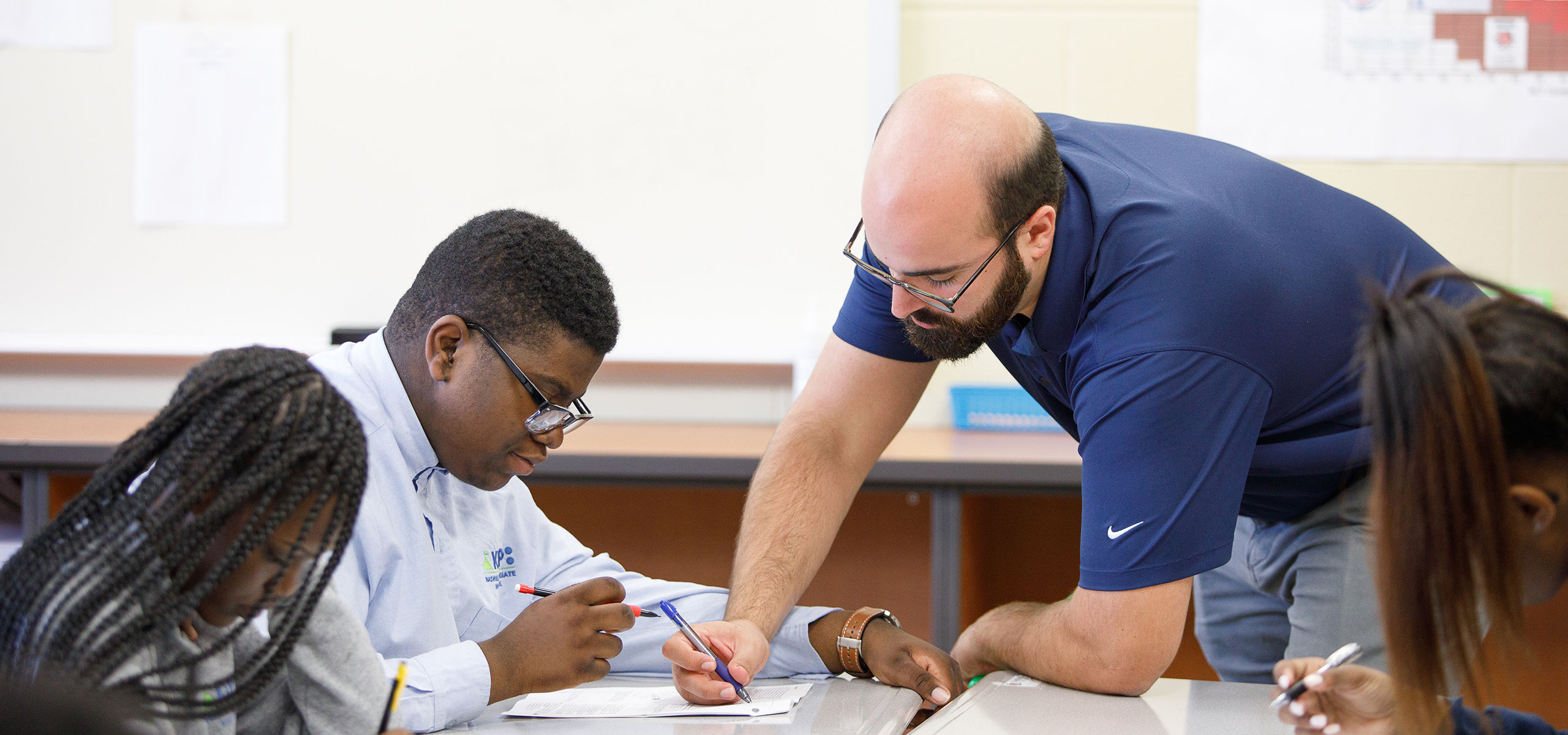
The years leading up to graduation are filled with important decisions. Students are thinking about careers, college, technical education, military service, employment, finances, and what they want their lives to look like after high school.
KIPP Forward helps students turn those questions into a plan.
Through College & Career Readiness programming and individualized guidance, KIPP Nashville students explore their strengths, research different pathways, prepare applications, understand financial aid, and complete the steps needed to pursue their goals after graduation. KIPP Forward supports multiple pathways, including four-year colleges, technical education, military service, and entering the workforce.
There is no single path students are expected to follow after high school.
A student’s goals may require a four-year degree. Another student may be interested in a technical program or career that emphasizes hands-on training. Others may consider military service or entering the workforce.
KIPP Forward helps students understand those options and determine what steps make sense based on their individual strengths and aspirations. Students whose goals require college receive support finding right-fit schools and navigating applications and financial aid. Students pursuing careers with more on-the-job training receive support preparing for employment.
The goal is for students to graduate with more than an idea of what they might want to do. They should understand their options and have a plan for taking their next step.
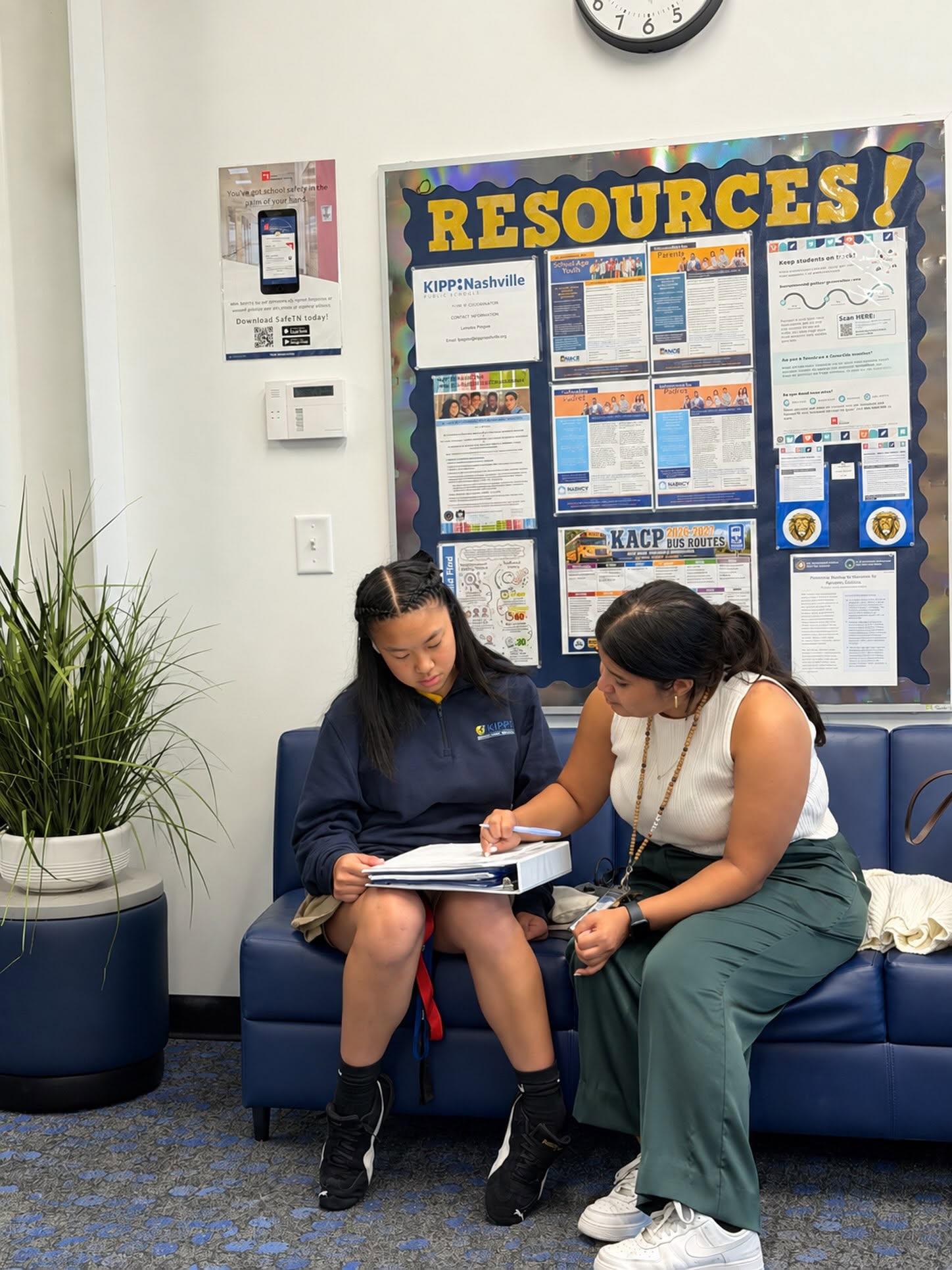

Junior year is an important time for exploration.
Through College & Career Readiness 11 (CCR11), students take a deeper look at possible careers and educational pathways. Alongside counselors and families, they assess their interests and strengths, research postsecondary options, and begin preparing materials they may need for college or employment applications.
The year progresses from self-discovery toward increasingly concrete planning.

Students begin by examining their personal and professional attributes through YouScience assessments.
Understanding strengths and interests can help students approach college and career planning with a better idea of what types of environments, subjects, and careers may fit them.
Students receive exposure to a range of possibilities, including:
Rather than assuming one pathway is right for everyone, students have time to learn what different choices could involve.
During junior year, students also begin preparing materials they may need during senior year.
That work can include:
Students learn about professionalism and communication while preparing to request recommendations from teachers and other members of their school community.
By the end of junior year, students work with their counselor and caregiver to develop a list of appropriate college or career options.
College-bound students are encouraged to build a balanced list of schools that includes likely, target, and reach options. Counselors help students evaluate those choices based on factors such as affordability, available majors, location, campus size, student experience, and graduation outcomes.
Students interested in CTE, military service, or entering the workforce can build a similar list around relevant programs or career opportunities.

Standardized testing may be one part of a student’s postsecondary planning.
During junior year, students prepare to take the official ACT while also learning how their GPA and test scores may affect their available options.
By the end of CCR11, KIPP Forward’s stated goals include having students complete their YouScience assessment, take their first official ACT, secure one or two recommendations or references, develop responses for a college essay or interview questions, and identify appropriate college or career options.
Students shouldn’t have to make decisions about opportunities they’ve never had a chance to explore.
During junior year, KIPP Forward provides school-sponsored opportunities such as:
These experiences can give students a clearer picture of different environments and help them develop better questions about what they want after graduation.
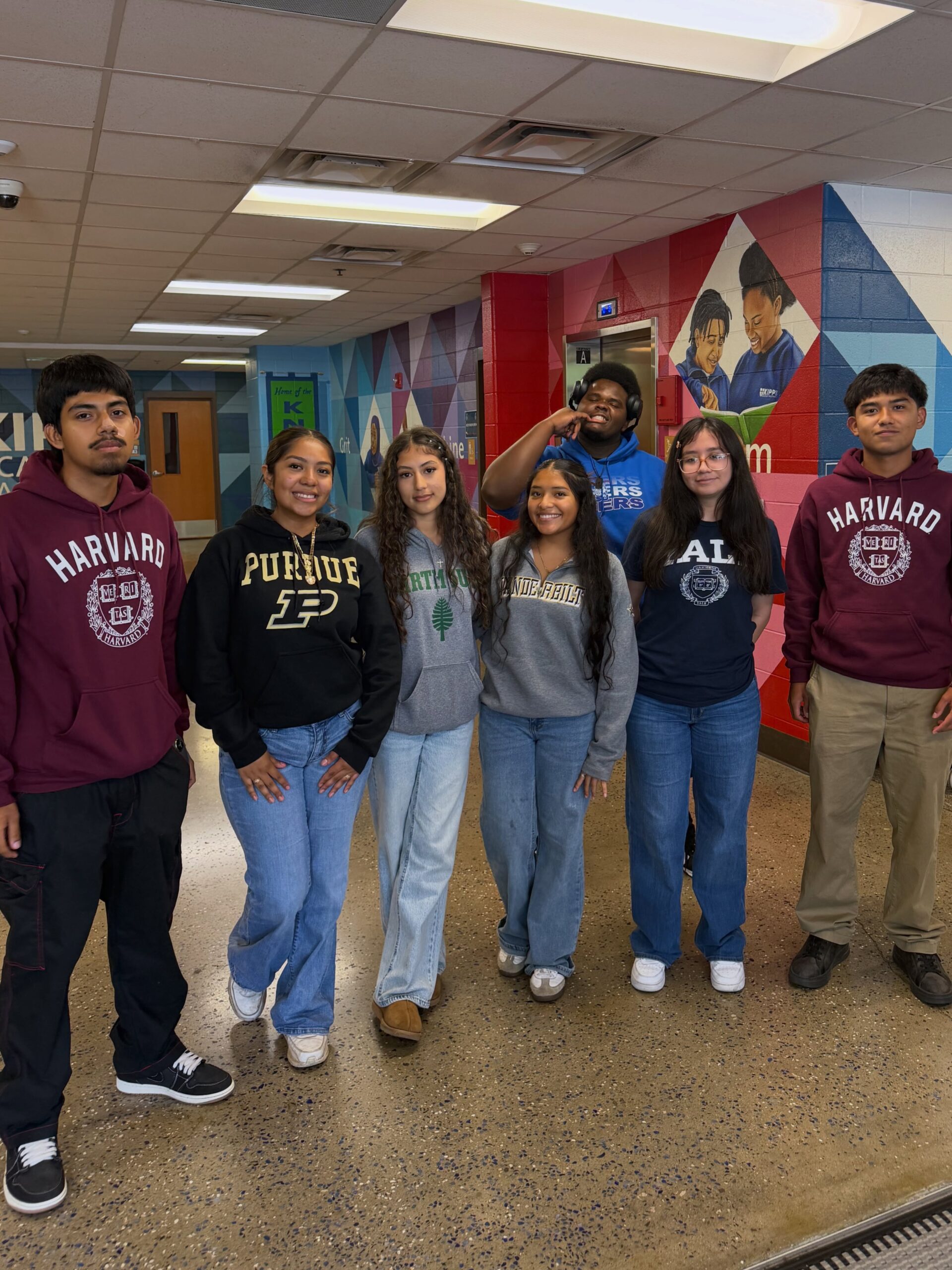
Senior year is when exploration becomes action.
College & Career Readiness 12 (CCR12) focuses on helping students identify their postsecondary plans and complete the steps required to pursue them.
Students work through this process during their seminar class and through meetings with counselors, caregivers, and Persistence Advisors.
The exact process depends on the pathway a student chooses.
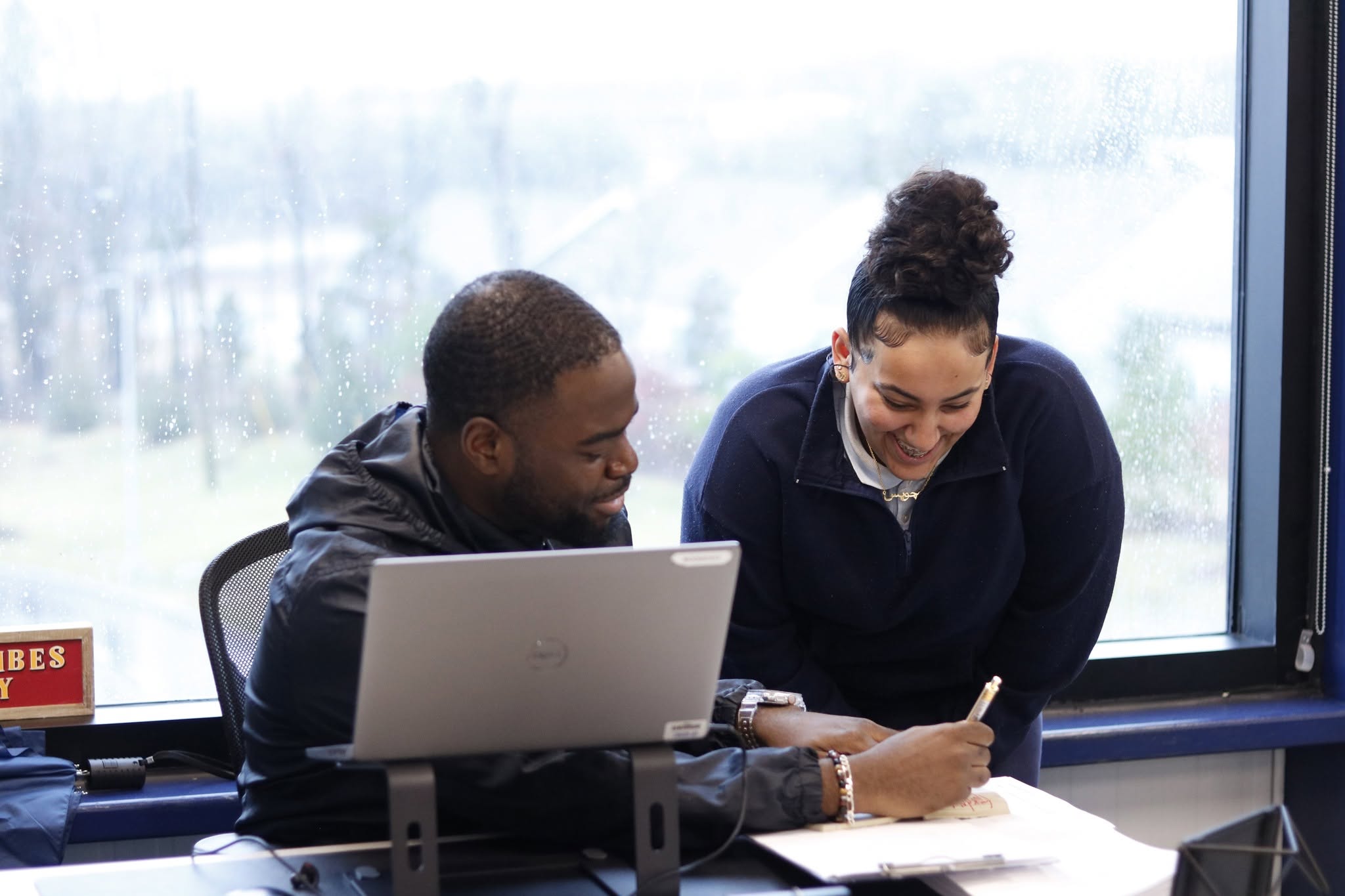
For students pursuing college, senior-year support can include:
Students don’t have to navigate those steps alone. Counselors and caregivers are part of the process as students move from applications toward a final decision.
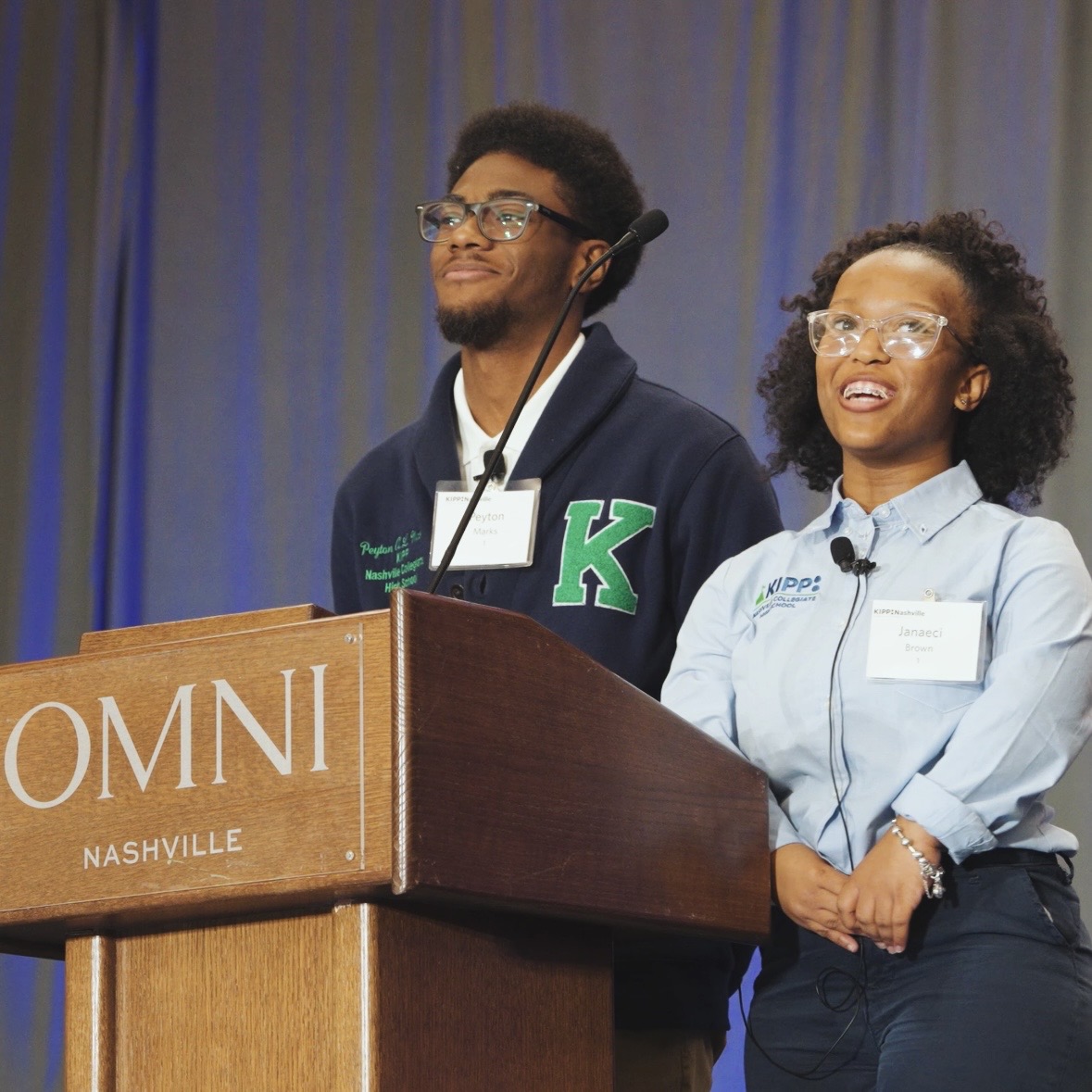
Students who plan to enter the workforce can use senior year to turn their career interests into actionable plans.
KIPP Forward’s current senior-year program includes opportunities to refine resumes and interview skills, meet career professionals, visit employers, and participate in job-shadowing experiences.
This preparation can help students better understand workplace expectations while building practical skills they can use during a job search.
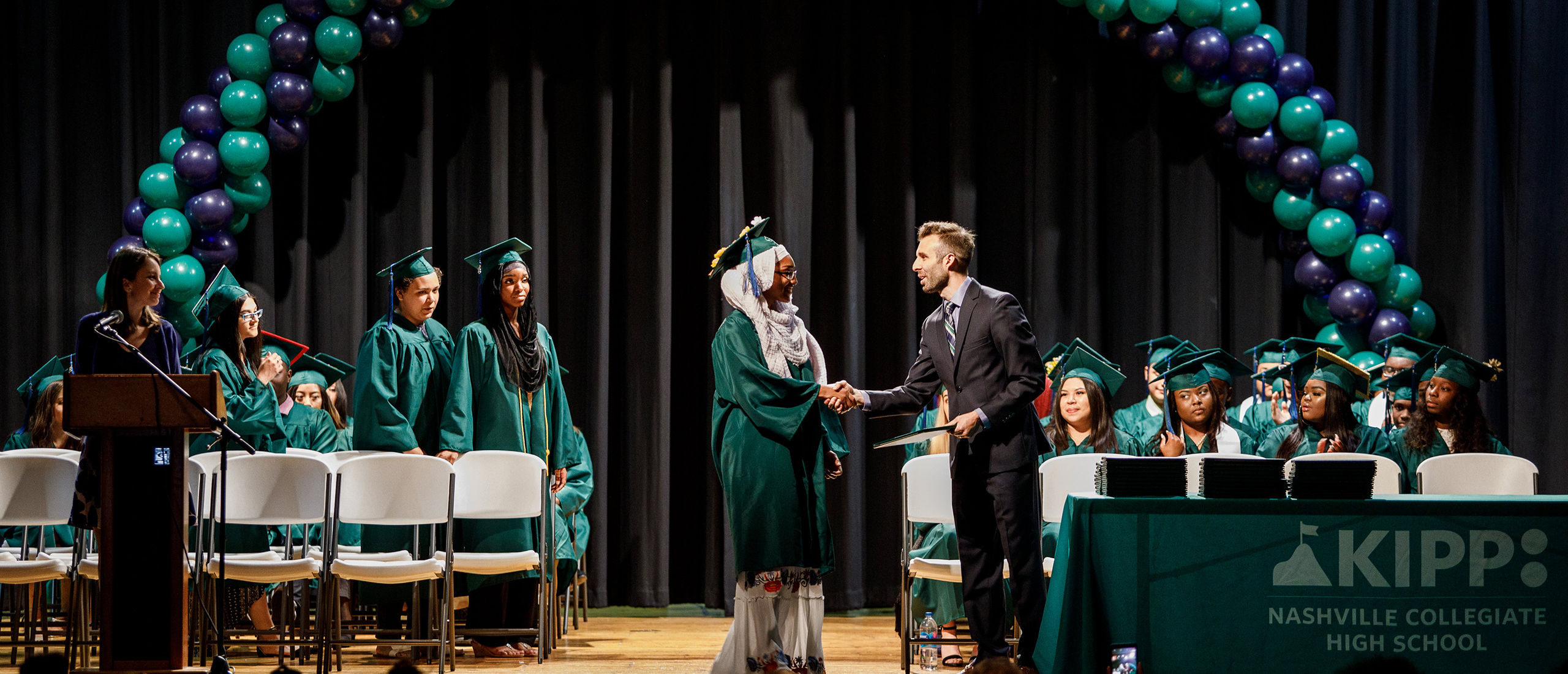
Military service is another pathway students may choose to explore.
For students pursuing this option, CCR12 can include researching branches of service, preparing for and taking the ASVAB, understanding physical eligibility requirements, connecting with recruiters, completing required examinations, and preparing for enlistment.
As with college and career planning, the emphasis is on helping students understand the steps involved so they can make informed decisions about their futures.
For college-bound students and families, figuring out how to pay for college can be one of the most complicated parts of the process.
KIPP Forward helps students navigate college and financial aid applications, including the FAFSA and applicable Tennessee financial aid programs. Students also receive support identifying and completing scholarship applications.
Financial considerations are also built into the broader college-fit process. Students are encouraged to evaluate affordability alongside academics, community, career goals, and other factors when comparing their choices.
That helps families consider not simply where a student has been accepted, but which option makes the most sense overall.
College and career planning doesn’t happen in isolation.
Families and caregivers participate alongside students and counselors throughout the process, particularly as students narrow their options and make final decisions.
During junior year, caregivers can help students develop their college or career lists. During senior year, students and caregivers participate in decision meetings once admissions decisions and financial aid information become available.
This partnership gives families opportunities to ask questions, understand available options, and help students evaluate major decisions.
Senior year should include preparation for the future while also recognizing everything students have accomplished.
KIPP Forward and school teams provide opportunities for seniors to connect with potential colleges, educational programs, and employers while building relationships with their graduating class.
Current senior-year experiences include:
Students are also encouraged to participate in site visits, interviews, and job-shadowing opportunities that align with their interests.
KIPP Forward is designed to continue beyond graduation.
During the second semester of senior year, students begin transitioning from their high school Match Counselor to a Persistence Advisor. Decision and matriculation meetings help students finalize their plans and prepare for the transition into college, employment, military service, or another chosen pathway.
That transition means students don’t simply graduate and lose access to the relationships they’ve built through KIPP Forward.
KIPP Nashville’s broader KIPP Forward program provides alumni support that can include help navigating college courses, majors, FAFSA completion, internships, careers, and other postsecondary decisions.
By the end of senior year, KIPP Forward’s goals are for students to be able to articulate a clear passion, purpose, and postsecondary plan; work with counselors, caregivers, and Persistence Advisors to complete the steps required for enrollment or employment; and meet their graduation requirements.
The destination may be different for every graduate.
What’s important is that students understand why they’re choosing their path, what they’ll need to do next, and where they can turn when they need support.
KIPP Forward is part of the broader high school experience at KIPP Nashville. The network describes one-on-one college and career support as a distinctive part of its approach to preparing students for life after graduation.
Students can access KIPP Forward while attending KIPP Nashville’s high schools:
KIPP Nashville Collegiate High School
123 Douglas Avenue, Nashville, TN 37207
KIPP Antioch Global High School
917 Bell Road, Antioch, TN 37013
Families considering either campus can ask about KIPP Forward, academics, extracurricular opportunities, and the broader high school experience during a campus tour.
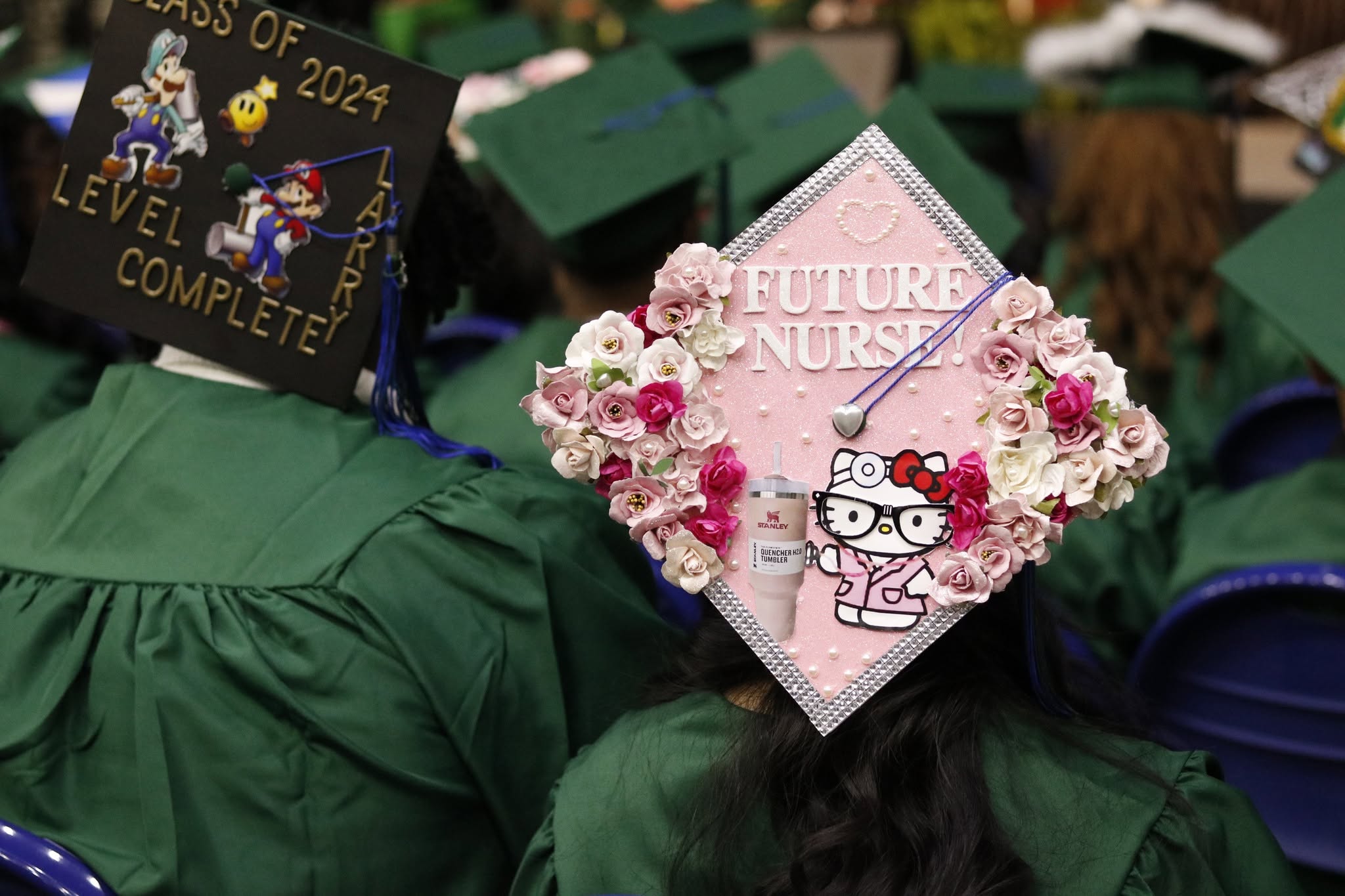
You don’t need to have your entire future figured out when you enter high school.
KIPP Forward gives students time to explore. Junior year provides opportunities to identify strengths, research possibilities, and begin building a plan. Senior year focuses on applications, financial aid, career preparation, and completing the steps needed to move forward.
And after graduation, KIPP Forward’s alumni support provides another source of guidance as students begin putting those plans into action.
Your path is yours. KIPP Forward helps you prepare to pursue it.