Elementary School
Students establish foundational literacy, mathematical understanding, and learning habits.


Education is a journey, and what students need changes as they grow. A kindergartener beginning to read has different needs from a middle school student discovering their voice or a high school senior deciding what comes after graduation.
KIPP Nashville supports students across that journey with tuition-free public schools serving kindergarten through 12th grade and KIPP Forward support that continues beyond high school. Across each stage, students build academic knowledge, confidence, independence, relationships, and skills that prepare them to pursue the paths they choose.
Students don’t stop growing when they move from one school building or grade band to another.
KIPP Nashville’s K–12 approach is designed around the different needs students have at each stage of their education. Elementary school establishes strong academic foundations. Middle school develops greater independence and student voice. High school combines rigorous academics with preparation for life after graduation. KIPP Forward then provides individualized support as students and alumni pursue college, technical education, careers, and other opportunities.
Throughout that journey, KIPP Nashville emphasizes joyful, academically excellent schools that help students develop the skills and confidence to make meaningful choices about their futures.
The KIPP Nashville journey begins with curiosity.
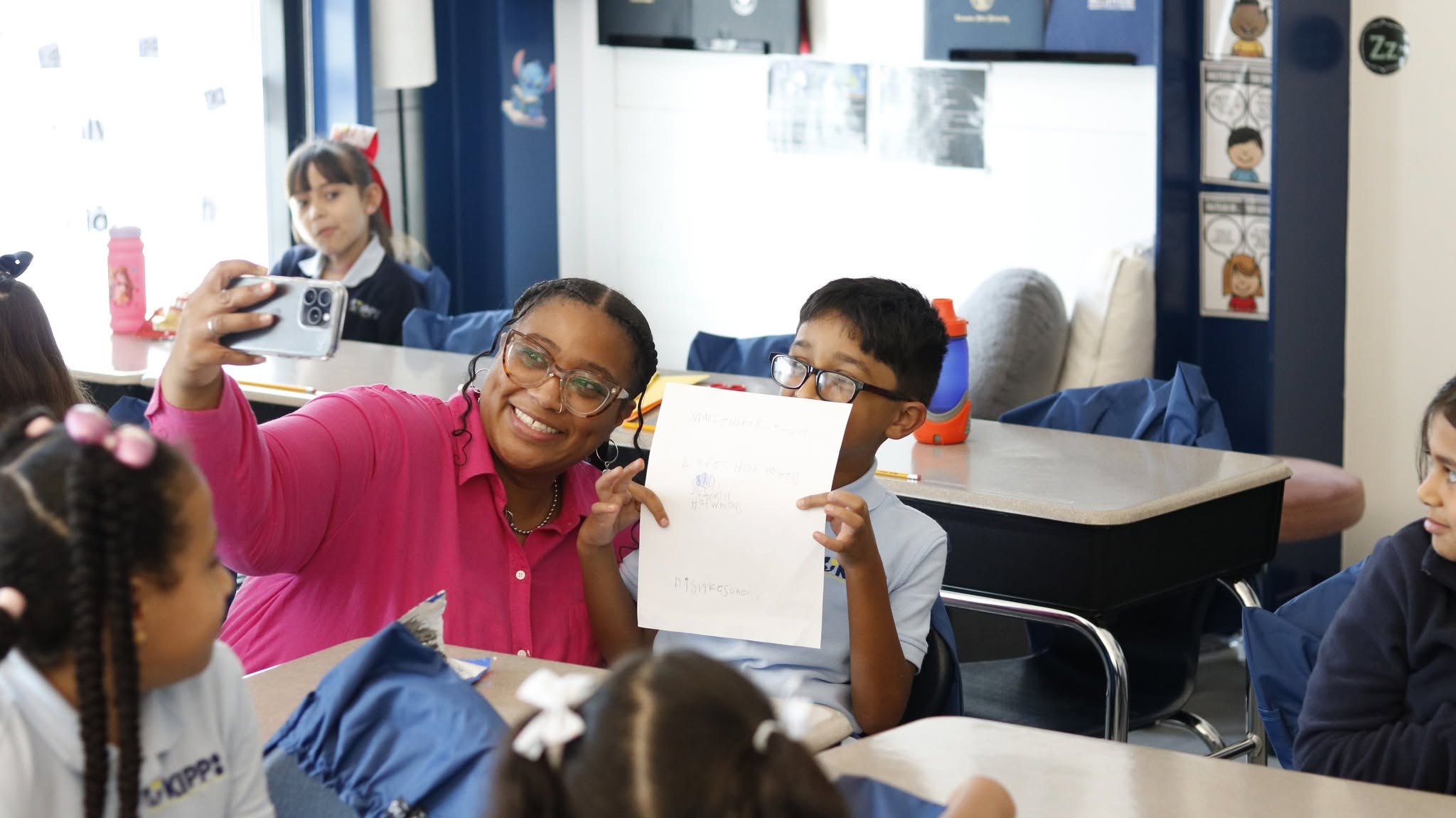
Elementary students are developing foundational academic skills while also learning what it means to be part of a classroom and school community.
KIPP Nashville elementary schools place a strong emphasis on foundational literacy and conceptual mathematics. Students also have opportunities for enrichment experiences such as arts, physical education, and mindfulness.
During these early years, students can begin developing:
Small-group instruction and individualized learning are also part of KIPP Nashville’s elementary approach, helping schools respond to students as individual learners.
These foundations prepare students for the increasing academic and personal independence they’ll encounter in middle school.
Middle school is a period of significant academic, social, and personal growth.
Students begin taking greater ownership of their learning while developing stronger ideas about their identities, interests, relationships, and communities.
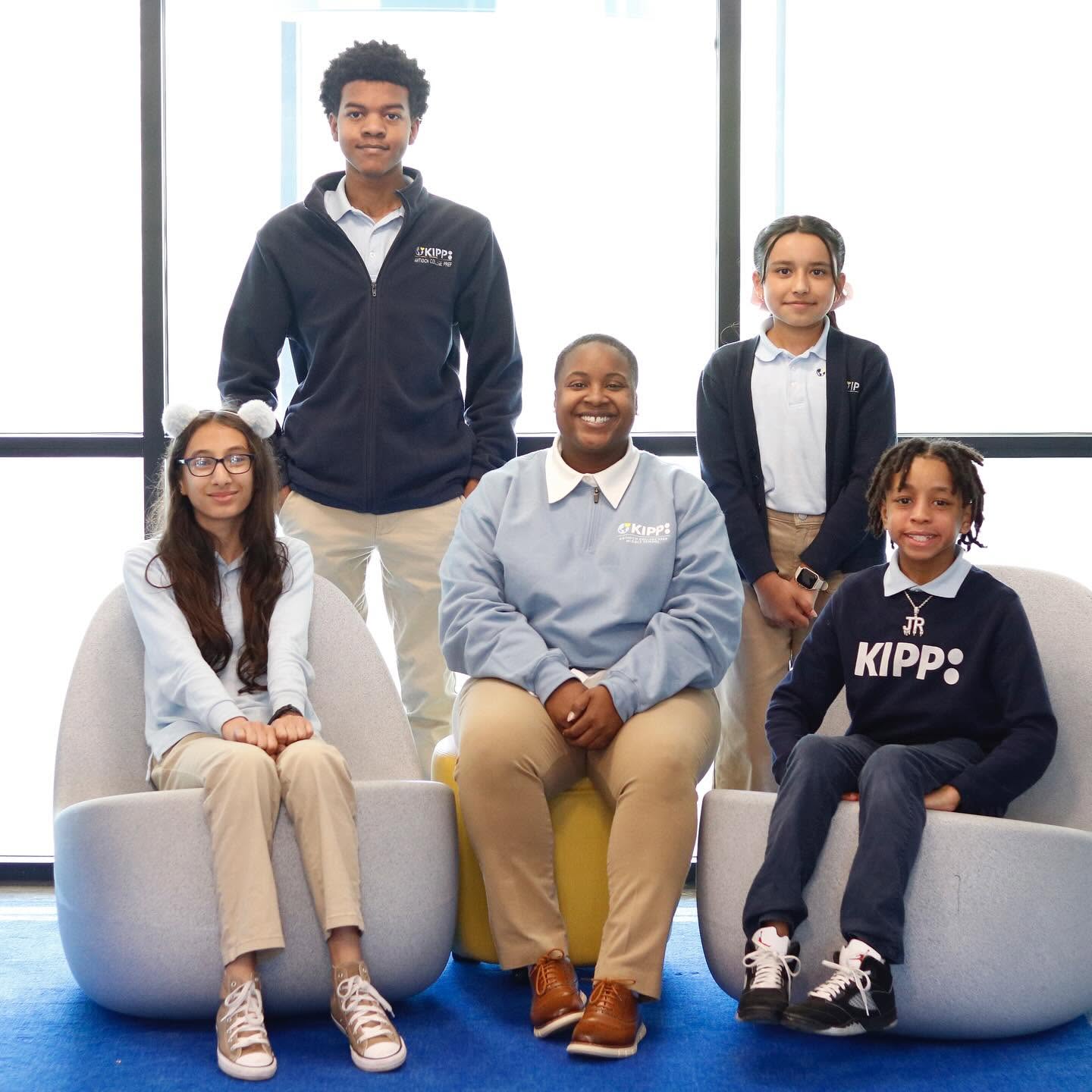
KIPP Nashville middle school students engage in rigorous coursework across Math, English, Science, and Social Studies. Students are encouraged to think critically, participate in meaningful discussions, work independently and collaboratively, and develop the confidence to stand behind their ideas.
The middle school experience also extends beyond core academics.
Depending on the campus, students can explore music, band, choir, athletics, clubs, and other extracurricular opportunities.
These experiences give students additional ways to build relationships, discover interests, develop leadership skills, and become active members of their school communities.
High school brings increasingly rigorous academics and a bigger question: What do I want to do after graduation?
KIPP Nashville high schools help students explore that question while continuing to strengthen the academic and social-emotional skills they’ll need for what comes next.
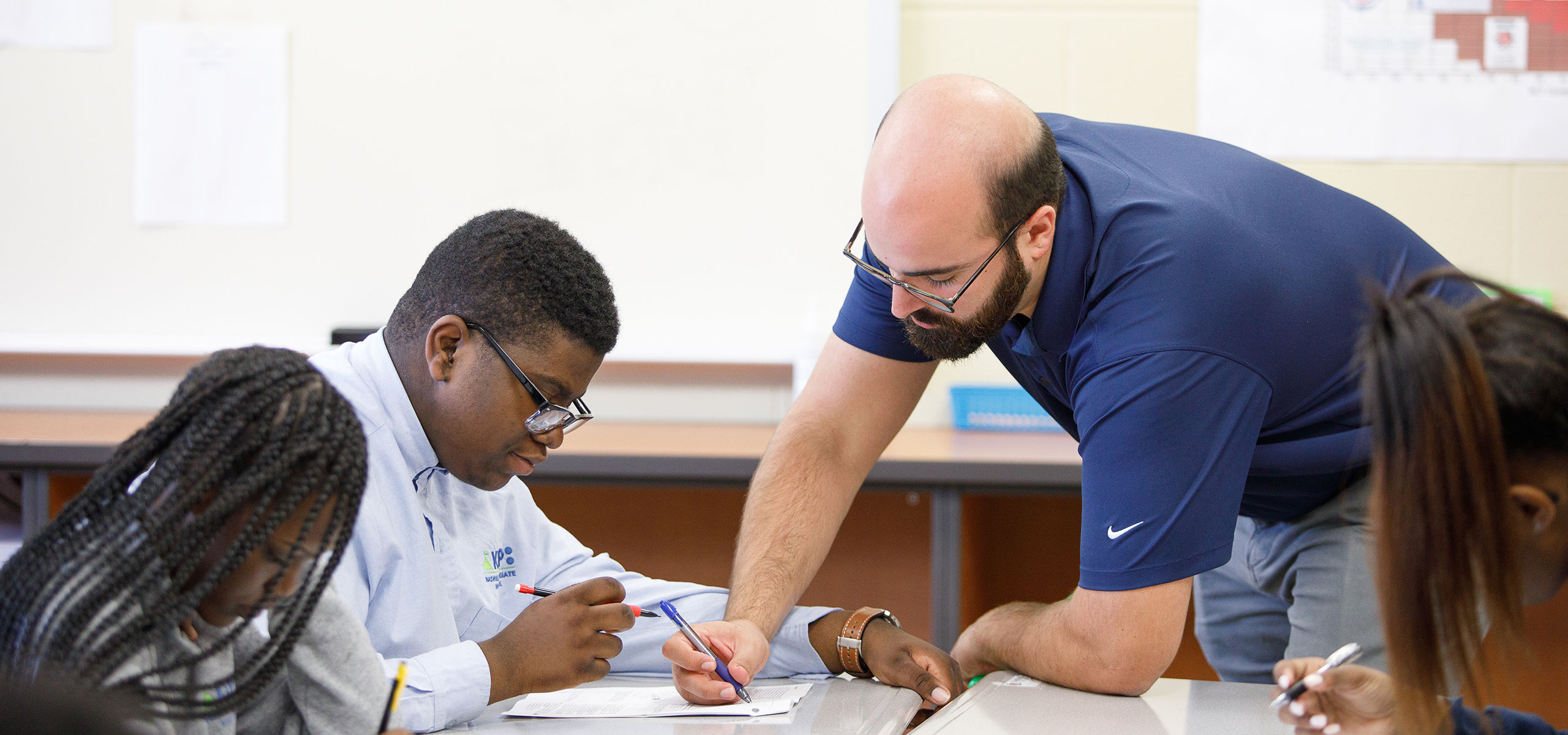
Students have opportunities to engage in challenging coursework, meaningful classroom discussion, extracurricular activities, athletics, and advanced courses. AP offerings across the network include areas such as computer science, calculus, literature, statistics, and world history, although specific courses vary by school and year.
High school is also when students begin working directly with KIPP Forward.
Through regular classes, check-ins, and individualized college and career counseling, students can begin connecting their strengths and interests with possible pathways after graduation.
Students don’t all want the same future, and KIPP Forward isn’t built around a single definition of success.
The program helps high school students explore their interests and talents, understand possible careers, and identify the education or training that can help them pursue those goals.
Depending on the student’s plans, that may mean attending a four-year college, pursuing technical education, or entering the workforce. KIPP Forward provides guidance through areas such as ACT preparation, applications, financial aid, and college and career planning.
Students can explore questions such as:
The goal is for students to understand their choices and have support turning their goals into actionable plans.
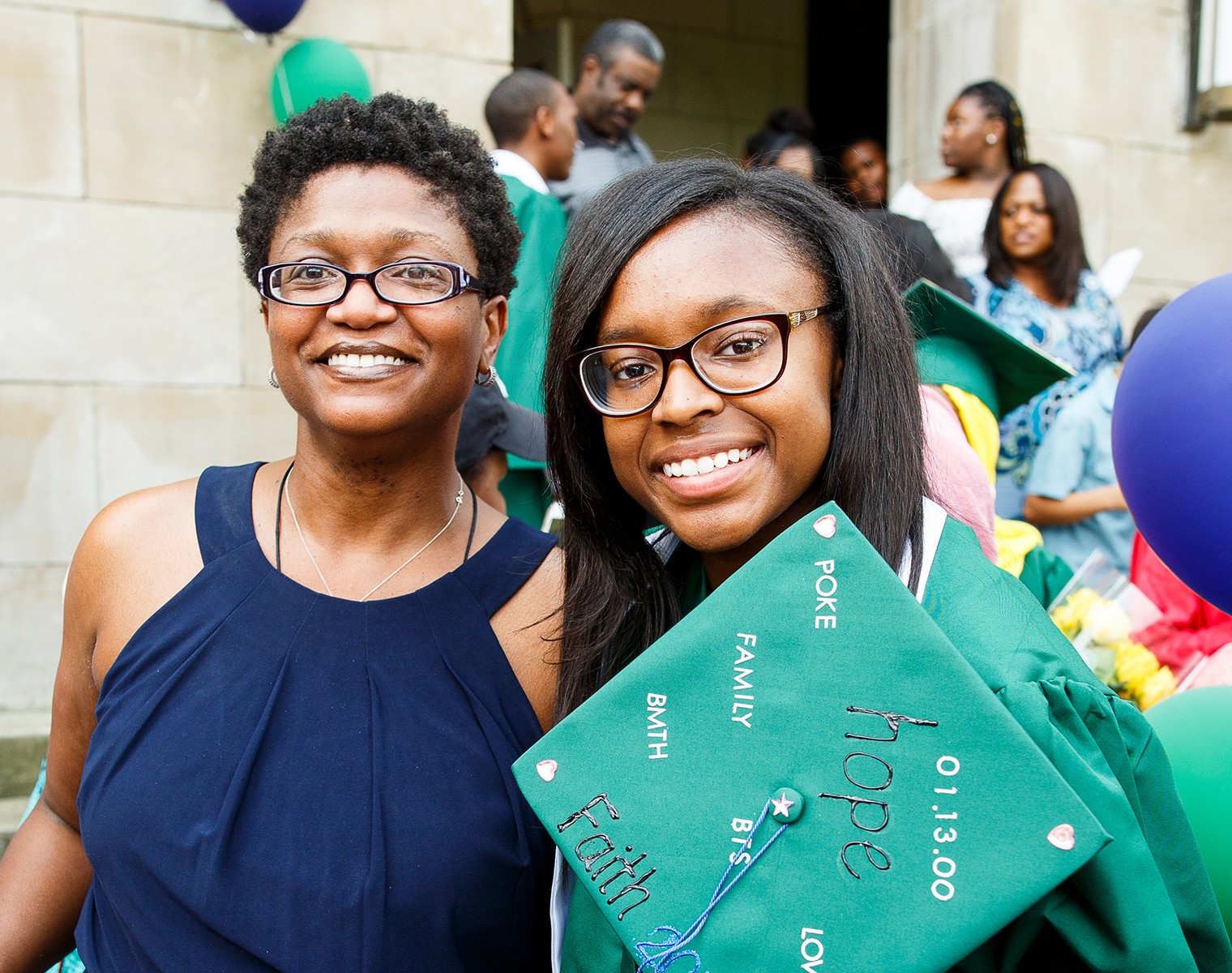
Graduation is an important milestone, but it isn’t the end of the KIPP journey.
After high school, KIPP Nashville graduates can continue receiving individualized support through KIPP Forward. Each graduate is paired with a KIPP Forward Advisor who can provide one-on-one guidance as alumni navigate their postsecondary plans.
For alumni attending college, that can mean help navigating new academic expectations, financial aid, majors, internships, and career opportunities.
For graduates pursuing other pathways, support can evolve around their individual goals and next steps.
KIPP Nashville’s approach recognizes that becoming independent doesn’t mean having to figure everything out alone.
The purpose of a K–12 pathway isn’t to decide a student’s future years before they graduate.
It’s to help students build the foundation that gives them meaningful choices.
An elementary student doesn’t need to know what career they want. They need strong foundational skills and opportunities to become curious learners.
A middle school student doesn’t need a complete postsecondary plan. They need opportunities to think critically, become more independent, and discover their interests.
A high school student may be ready to connect those interests with potential careers, colleges, technical programs, or workforce opportunities.
And an alum may need guidance turning a plan into a fulfilling and sustainable future.
KIPP Nashville’s mission reflects that progression: preparing students with the skills and confidence to pursue the paths they choose—college, career, and beyond.
Students aren’t only growing academically throughout K–12. They’re developing relationships, interests, identities, and a stronger understanding of themselves.
KIPP Nashville works to provide safe, structured, and nurturing environments where students can learn and grow.
What belonging looks like can change as students get older.
For an elementary student, it might begin with classroom routines, Team & Family celebrations, and relationships with teachers.
A middle school student may find community through music, a sports team, a club, or friendships.
High school students can develop their voices through classroom discussions, extracurricular activities, advanced coursework, athletics, and college and career exploration.
There isn’t one way for a student to belong. Providing different opportunities throughout the K–12 journey gives students more chances to find meaningful connections.
KIPP Nashville currently operates 10 schools serving nearly 4,000 students across North, East, and South Nashville.
Families can explore schools by grade level and location.


Grades: K–4
Location: East Nashville
Grades: K–4
Location: North Nashville
Grades: K–4
Location: South Nashville
Grades: K–3 for the 2026–27 school year
Location: South Nashville
Grades: 5–8
Location: East Nashville
Grades: 5–8
Location: North Nashville
Grades: 5–8
Location: South Nashville
Grades: 5–8
Location: South Nashville
Moving from elementary to middle school or middle to high school is an important transition.
Having KIPP Nashville options across K–12 allows families to explore schools that share the network’s broader mission and approach as students grow. However, attending one KIPP Nashville school should not be interpreted as a guarantee of placement at another campus or grade band.
Families should review current enrollment requirements and available schools as each transition approaches.
Planning ahead can also help students become more involved in the process. Younger students may simply visit their potential next school, while middle schoolers can begin asking questions about high school academics and activities. High school students can take increasing ownership of decisions about courses and postsecondary planning.
Families remain important partners throughout a student’s education, even as students become more independent.
In elementary school, caregivers may be closely involved in establishing routines and understanding academic progress.
During middle school, that partnership can shift toward helping students manage greater responsibility while staying connected with teachers and school expectations.
By high school, families can support students as they make increasingly independent academic, college, and career decisions.
KIPP Nashville identifies strong partnerships with parents and families as one of the characteristics of its approach.
The student’s role grows throughout the journey, but families don’t disappear from it.
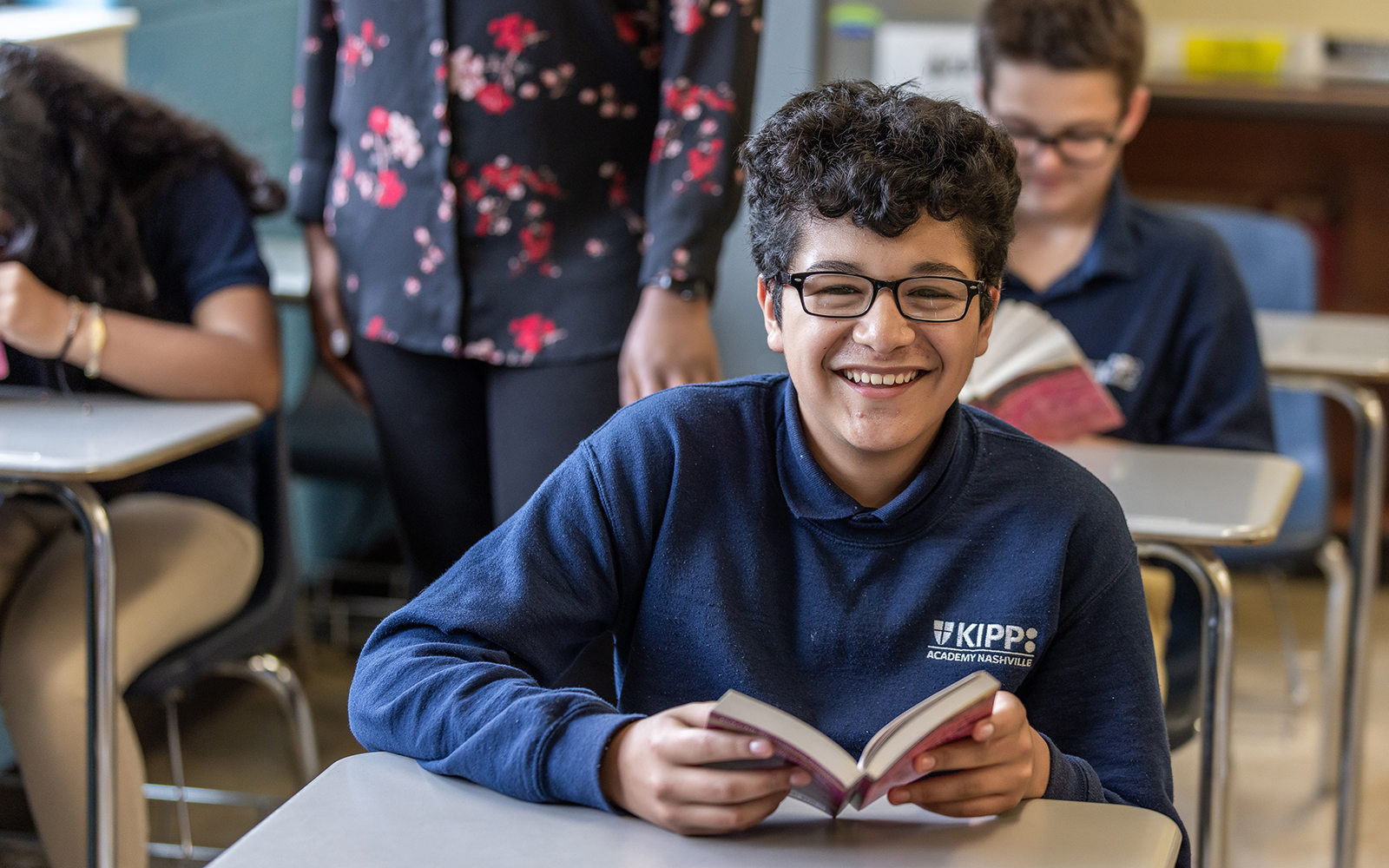
KIPP Nashville looks at student success beyond K–12.
The network reports that its high school alumni matriculate to college at a rate 36% higher than the national average for students from systemically under-resourced communities and 19% higher than students in Davidson County public schools. KIPP Nashville also reports that its alumni are on track to graduate from college at nearly twice the rate of their Davidson County peers.
Those outcomes are one measure of a broader goal: helping students build the academic foundation, confidence, resources, and support system they need to continue moving toward their goals after graduation.
Your student’s KIPP Nashville journey doesn’t have to begin in kindergarten.
Families can explore KIPP schools serving their student’s current grade, whether they’re entering elementary, middle, or high school.
For the 2026–27 school year, KIPP Nashville has schools serving students from kindergarten through 12th grade across East, North, and South Nashville. Davidson County families can apply to the school that fits their student’s grade level and location.
Start by finding the school serving your student today. Then explore what the years ahead could look like.
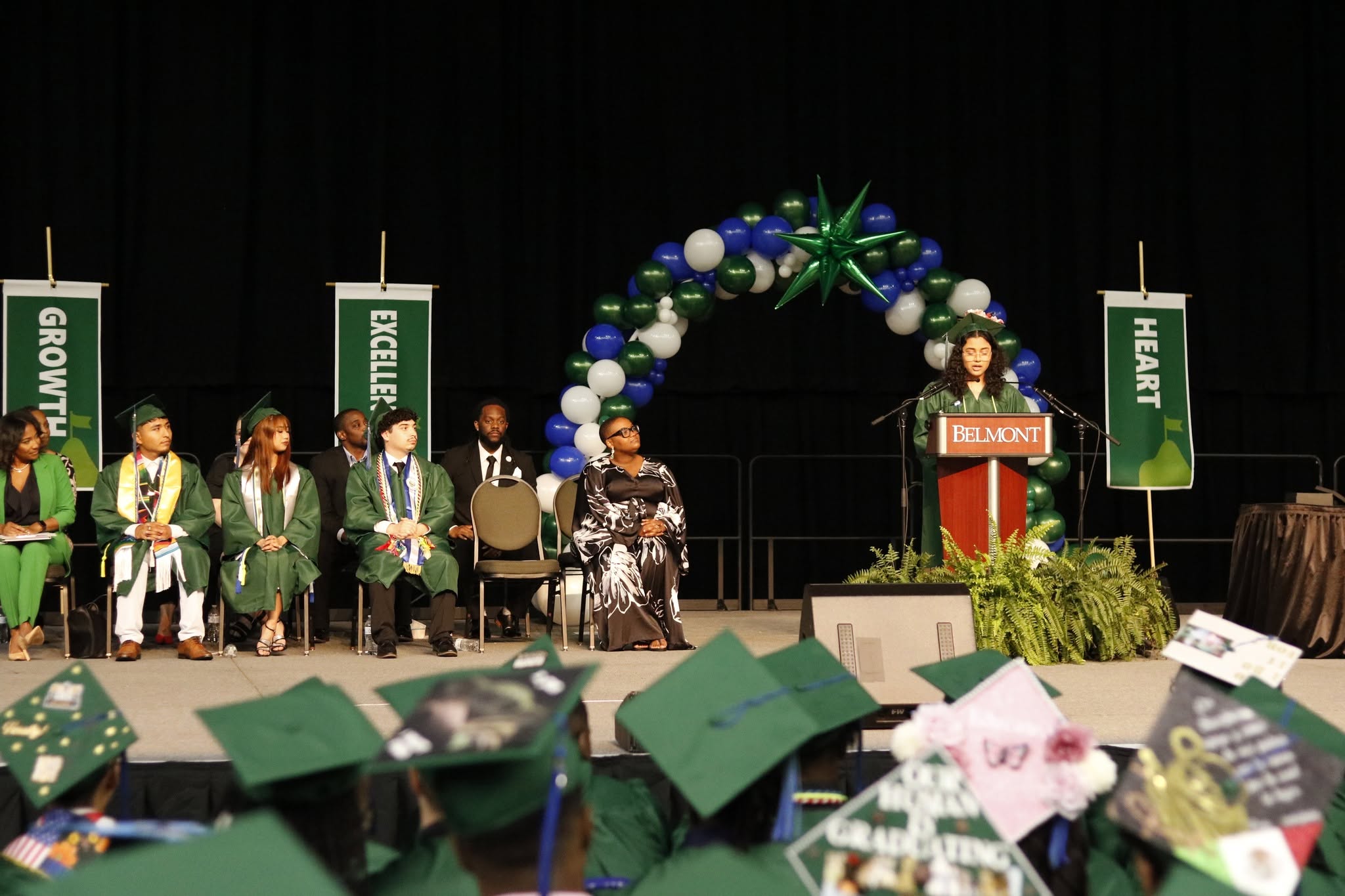
A student’s future isn’t determined by one grade, one test, or one decision.
It develops over years of learning, relationships, exploration, challenges, and growth.
KIPP Nashville’s K–12 pathway is designed to meet students at each stage of that journey—from building foundational skills in elementary school to developing independence in middle school, preparing for postsecondary choices in high school, and receiving continued guidance through KIPP Forward after graduation.
The destination is up to each student. KIPP Nashville helps them build the skills and confidence to pursue it.