Opens in a new tab
Enroll now

A Strong Academic Foundation for Every Stage

Students grow when they are challenged, supported, and given opportunities to understand not only what they are learning, but how to think, solve problems, and communicate their ideas.

KIPP Nashville’s academic approach is designed to support that growth from kindergarten through 12th grade. Students build foundational knowledge in the early years, develop greater independence in middle school, and take on increasingly rigorous coursework as they prepare for college, career, and the future they choose.

Across every stage, our goal is to provide strong instruction, clear expectations, and the support students need to keep moving forward.

High Expectations With the Support to Grow

At KIPP Nashville, academic rigor and student support work together.

Students are encouraged to engage deeply with what they’re learning, ask questions, communicate their thinking, and persist when something is difficult. Teachers establish clear expectations while providing instruction and support that help students make progress.

That approach recognizes something important: students don’t all arrive in the classroom with the same strengths, experiences, or needs.

Teachers work to understand where students are academically and help them move forward from there. Depending on the grade and student’s needs, that can include whole-class instruction, small-group learning, individualized support, and opportunities for additional challenge.

The new website strategy identifies this combination of clear expectations, strong instruction, and evidence of progress as the foundation of KIPP Nashville’s academic growth message.

Elementary School: Building the Foundation

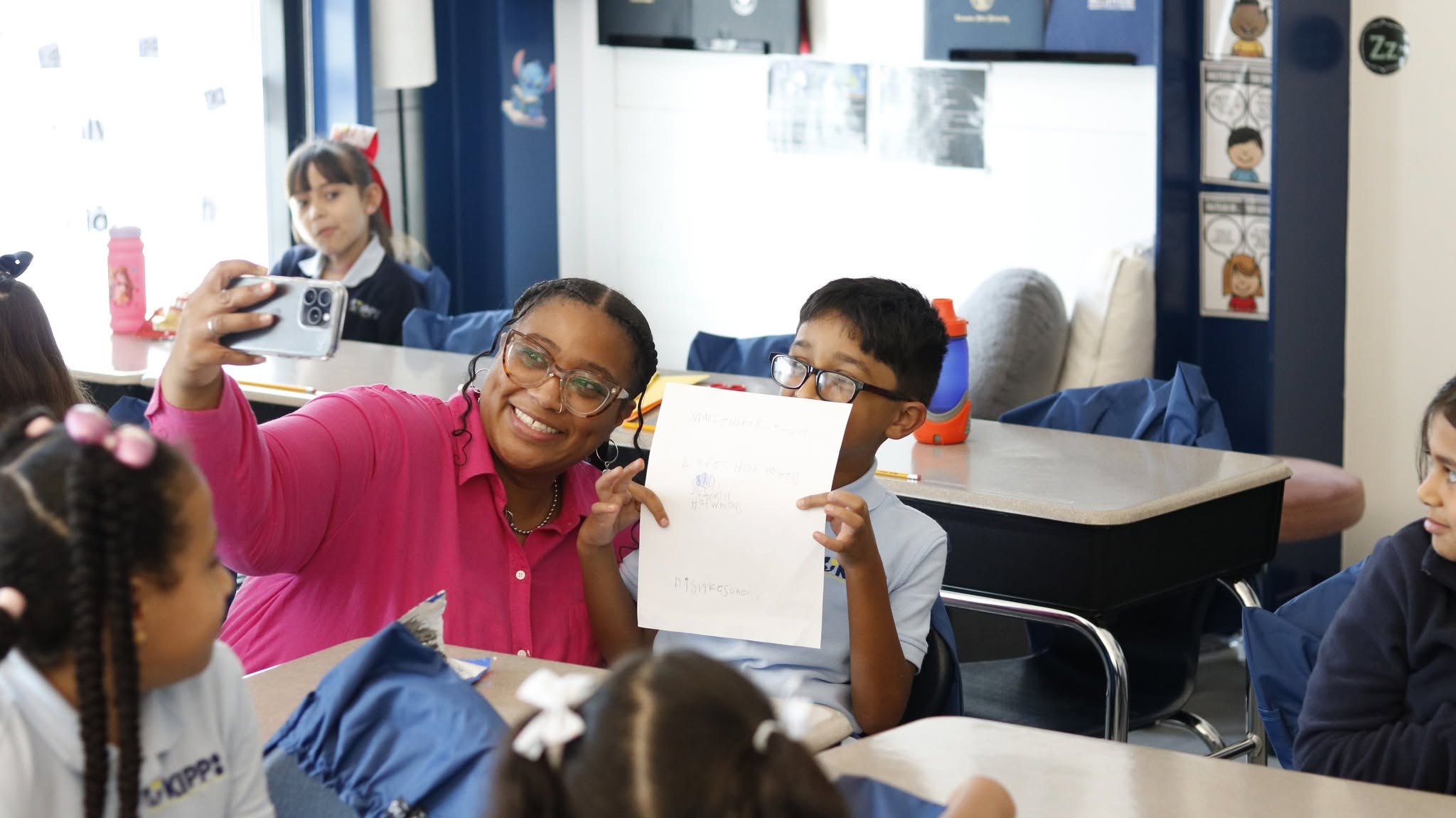
Elementary school is where students begin developing the knowledge and learning habits they’ll carry throughout their education.

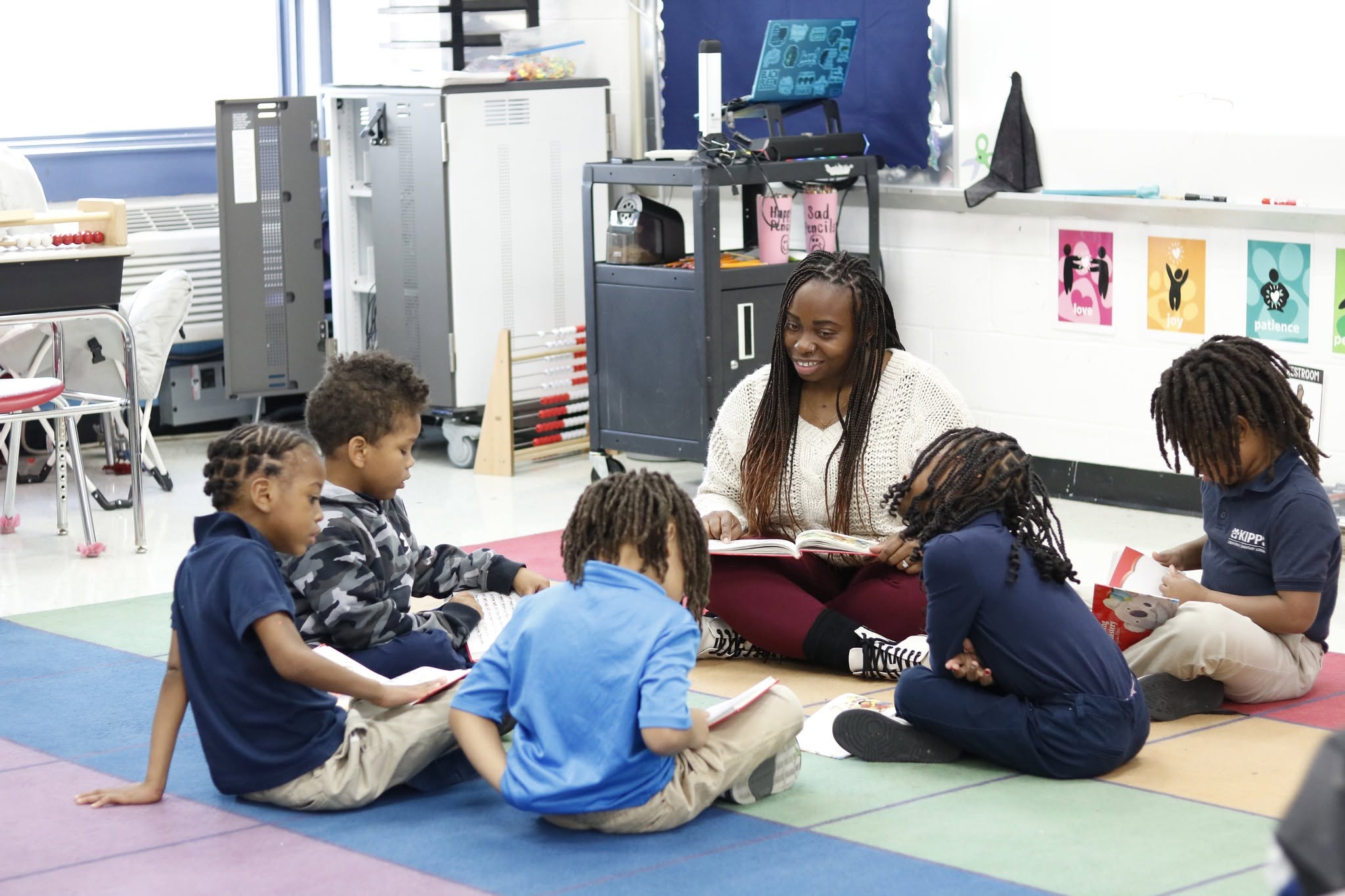
KIPP Nashville’s elementary academic approach places particular emphasis on foundational literacy and conceptual mathematics.

  • Foundational Literacy

    Reading opens the door to learning across subjects.

    During the elementary years, students develop foundational literacy skills while expanding their ability to understand texts, communicate ideas, and express themselves through writing.

    As students progress through the grades, they build on those foundations so they can engage with increasingly complex texts and ideas.

  • Conceptual Mathematics

    Mathematics is about more than finding the right answer.

    Students develop an understanding of mathematical concepts while learning how to solve problems, explain their reasoning, and apply what they know in new situations.

    Building that conceptual understanding during the elementary years creates a foundation for the increasingly complex mathematics students encounter later.

  • Curiosity and Learning Habits

    Young students are naturally curious. KIPP Nashville works to turn that curiosity into habits that support continued learning.

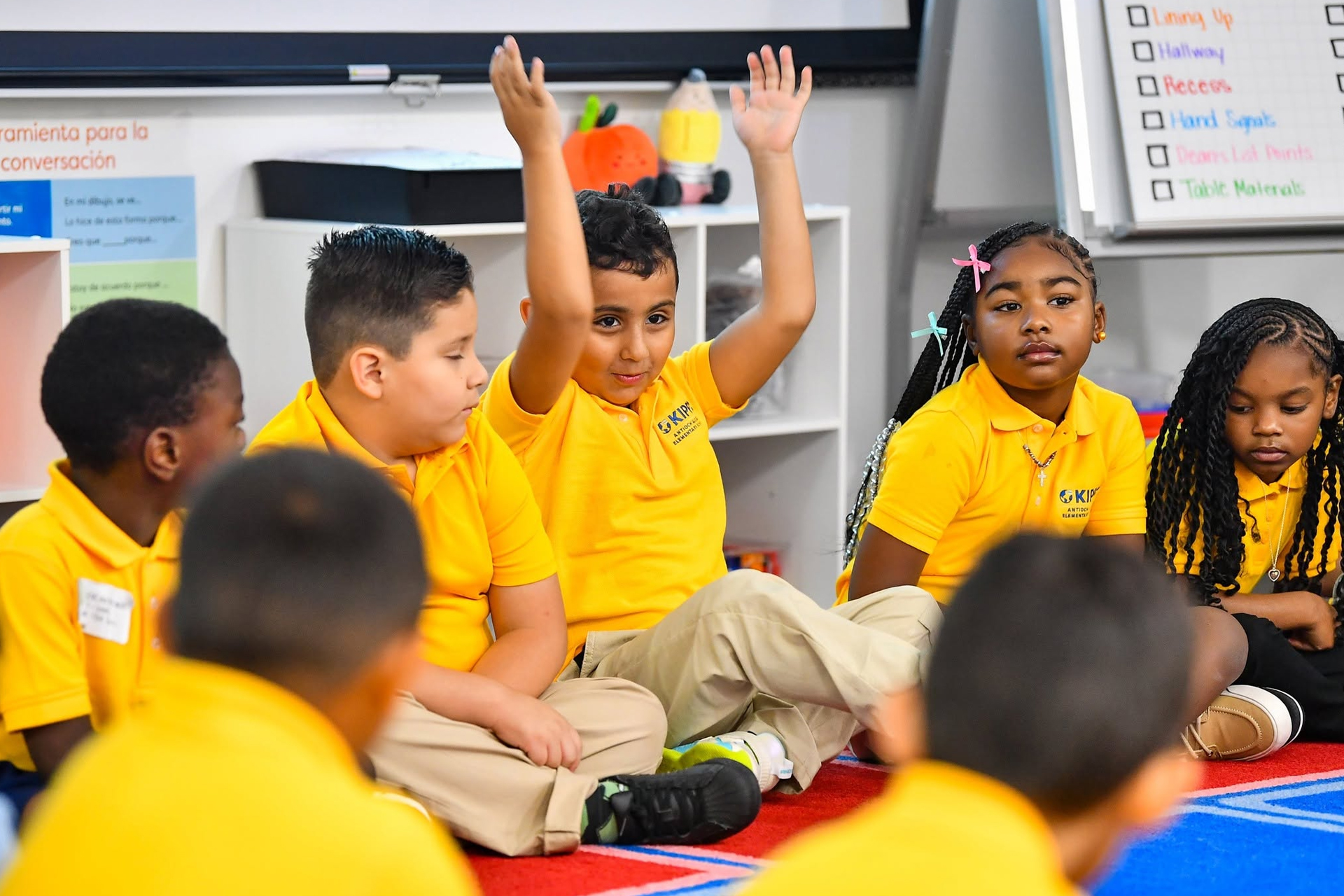
    Students are encouraged to ask questions, try new approaches, participate in classroom conversations, work through challenges, and ask for help when they need it.

    These habits can help students become more confident and independent as learners.

Explore Elementary Schools

Middle School: Building Independence and Student Voice

Middle school brings new academic expectations.

Students move from foundational learning toward more complex ideas while being asked to take greater responsibility for their assignments, organization, participation, and progress.

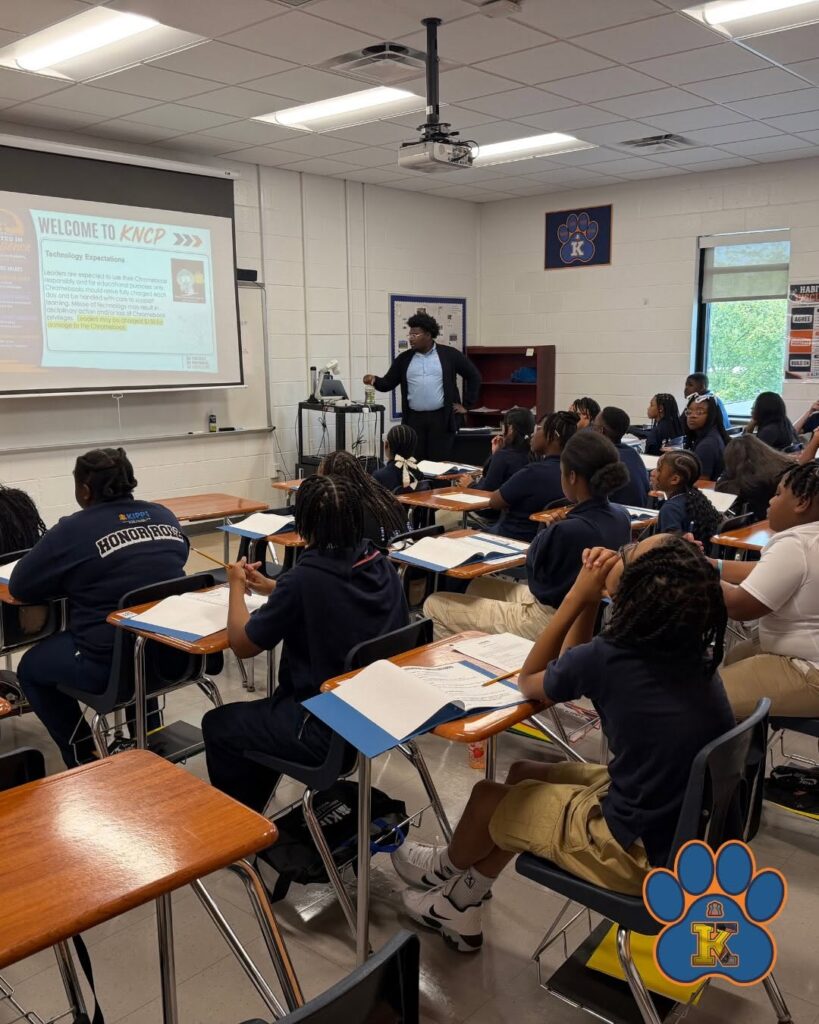
KIPP Nashville middle school students engage in rigorous coursework across English, mathematics, science, and social studies.

Classrooms provide opportunities for students to:

  • Think critically about increasingly complex ideas
  • Participate in meaningful discussions
  • Communicate and defend their thinking
  • Solve problems independently and collaboratively
  • Make connections across subjects
  • Develop stronger organizational and study habits
  • Ask for support when they need it

These skills help students become more independent learners while preparing them for the transition into high school.

Middle school is also an important time for students to develop their voices. As they become more confident expressing their perspectives, students can learn to listen to others, engage thoughtfully with different ideas, and contribute meaningfully to classroom discussions.

Explore Middle Schools

High School: Deeper Learning and Greater Opportunity

By high school, students are preparing for increasingly independent academic work and important decisions about what comes after graduation.

KIPP Nashville high school classrooms emphasize rigorous learning, critical thinking, discussion, and student voice.

Students deepen their knowledge across core academic subjects while having opportunities to challenge themselves through advanced coursework.

KIPP Nashville’s high school program includes Advanced Placement (AP) opportunities, with courses offered in areas such as computer science, calculus, literature, statistics, and world history. Specific AP and advanced course offerings vary by campus and school year.

Students are encouraged to select courses and opportunities that challenge them while supporting their individual goals for life after high school.

Explore High Schools
kipp-alumni-support-what-we-do

Helping Students Understand Their Progress

Families deserve to know whether their student is growing.

KIPP Nashville uses academic information to understand student progress, identify areas where additional support may be needed, and help educators make informed instructional decisions.

That evidence can come from different places. Classroom work, assessments, teacher observations, and other measures can help educators understand what students have mastered and where they need additional instruction.

Families should also be able to understand how their student is doing.

Clear communication between teachers, students, and caregivers helps families celebrate progress, understand challenges, and work with the school when additional support is needed.

Individualized Learning and Student Support

Strong academics don’t mean expecting every student to learn in exactly the same way.

KIPP Nashville’s approach includes opportunities for individualized and small-group learning. Teachers can use information about student progress to provide targeted instruction and help students continue moving toward academic goals.

KIPP Nashville also serves students with a range of educational needs, including students receiving special education services, English Language Learners, and gifted students.

Families with questions about specific services or accommodations should connect with the school they are considering. Individual campuses can provide the most relevant information about how available services may support a particular student.

Explore Student Support

Learning to Think, Not Just Memorize

Knowledge matters. So does knowing what to do with it.

Throughout the K–12 journey, students have opportunities to move beyond recalling information and engage more deeply with what they’re learning.

That can mean explaining how they reached an answer in mathematics, discussing the meaning of a text, evaluating evidence, asking questions during science, considering different perspectives in social studies, or communicating an idea to classmates.

As students grow, these experiences become increasingly sophisticated.

The goal is to help students develop the knowledge they need while becoming thinkers who can approach unfamiliar questions, evaluate information, communicate clearly, and continue learning.

Learning to Think, Not Just Memorize

Knowledge matters. So does knowing what to do with it.

Throughout the K–12 journey, students have opportunities to move beyond recalling information and engage more deeply with what they’re learning.

That can mean explaining how they reached an answer in mathematics, discussing the meaning of a text, evaluating evidence, asking questions during science, considering different perspectives in social studies, or communicating an idea to classmates.

As students grow, these experiences become increasingly sophisticated.

The goal is to help students develop the knowledge they need while becoming thinkers who can approach unfamiliar questions, evaluate information, communicate clearly, and continue learning.

Recognized for Student Growth

Academic Growth and Belonging Go Together

Students need challenging academics, but the classroom experience isn’t only academic.

KIPP Nashville’s broader approach considers learning alongside students’ relationships, social-emotional development, identity, well-being, and sense of purpose.

Students should be able to ask questions, make mistakes, seek help, contribute ideas, and see themselves as valued members of their learning communities.

That sense of belonging can help create an environment where students are more willing to participate and take on challenging work.

Explore Student Support & Belonging

Connecting Academics With Interests

Learning also happens beyond core academic classes.

Depending on their school and grade level, KIPP Nashville students can participate in arts, music, athletics, clubs, electives, leadership opportunities, and other enrichment experiences.

These opportunities give students additional ways to apply skills they develop in the classroom.

A student might learn persistence while practicing an instrument, collaboration while playing on a team, communication through a performance, or leadership through student council.

Specific programs vary by campus and school year, so families should explore individual school pages for current opportunities.

Academics With the Future in Mind

As students move through KIPP Nashville, their academic experience increasingly connects to decisions about what comes next.

Elementary students build foundational knowledge and learning habits.

Middle school students strengthen their independence, critical thinking, communication, and student voice.

High school students deepen their academic learning while beginning to make more individualized decisions about college, career, and other opportunities after graduation.

Through KIPP Forward, high school students receive additional support as they explore those possibilities.

College and career preparation can include ACT preparation, interest and aptitude exploration, postsecondary research, applications, financial aid guidance, career exposure, and individualized planning.

The goal isn’t to direct every student toward the same destination. It’s to help students develop the academic foundation and information they need to make meaningful choices about their own futures.


Explore KIPP Forward

A Connected Academic Journey From K–12

KIPP Nashville serves students across kindergarten through 12th grade at schools in East, North, and South Nashville.

The connected network gives families the opportunity to understand how academic expectations develop over time rather than looking at each grade band in isolation.

  • Elementary School

    Build foundational knowledge, literacy, mathematical understanding, curiosity, and learning habits.

  • High School

    Engage in increasingly rigorous coursework while exploring advanced academics and preparing for postsecondary choices.

  • Middle School

    Deepen subject knowledge while strengthening independence, critical thinking, communication, and student voice.

  • Beyond High School

    KIPP Forward can continue supporting alumni as they navigate college and career pathways.

Enrollment between KIPP schools is not automatic. Families should review current enrollment requirements when students approach transitions between elementary, middle, and high school.

Explore the K–12 Pathway

See Learning in Action

The best way to understand an academic approach is to see what it looks like for students.

A campus tour gives families an opportunity to learn more about classroom expectations, instruction, academic support, available courses, and the everyday student experience at a specific KIPP Nashville school.

Consider asking:

  • What will my student learn at this grade level?
  • What does classroom instruction typically look like?
  • How does the school measure academic progress?
  • How will I know how my student is doing?
  • What happens when a student needs additional support?
  • What opportunities are available for students who are ready for additional challenges?
  • Which advanced courses are available?
  • How does the school prepare students for the next grade band?
  • How are families involved in their student’s academic progress?

Because programs and academic opportunities vary by campus, visiting the school you’re considering can provide the clearest picture of what your student’s experience could look like.

Find the Right Academic Fit for Your Student

Every student’s educational journey is different. Strong schools give students a foundation while helping them develop the skills and confidence to keep growing.

At KIPP Nashville, students experience an academic approach that evolves with them—from foundational learning in elementary school to greater independence in middle school and rigorous college and career preparation in high school.

Explore our schools to learn how that approach comes to life at the campus and grade level you’re considering.