Elementary School
Build foundational knowledge, learning habits, confidence, and belonging.


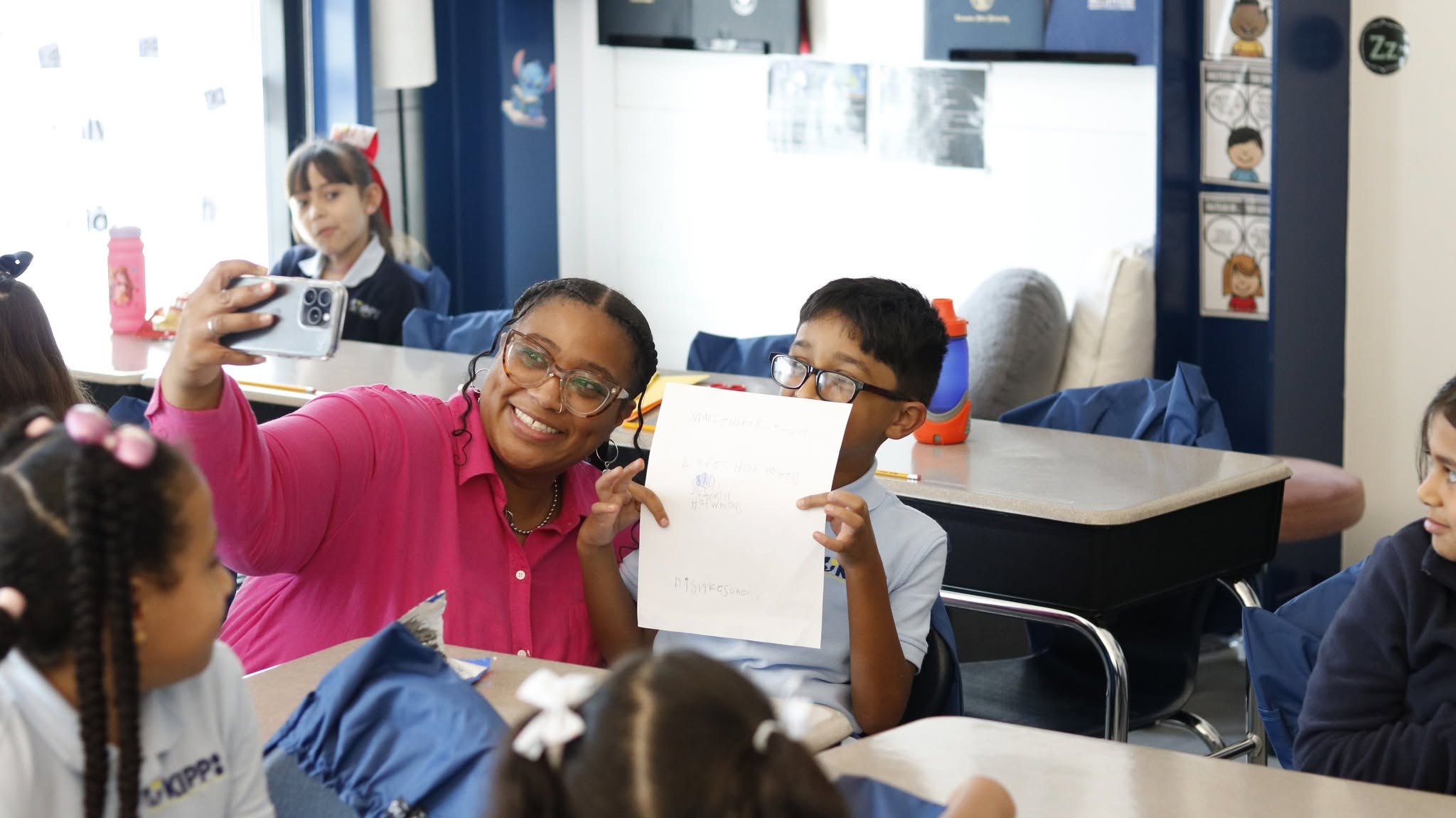
School is about more than what students learn in the classroom. It’s also where they build friendships, discover interests, develop confidence, and begin imagining what’s possible for their futures.
At KIPP Nashville, strong academics and a meaningful student experience go hand in hand. Across our tuition-free K–12 public charter schools, students are challenged to grow academically while receiving opportunities to explore arts, athletics, leadership, and other interests within supportive school communities.
From the first years of elementary school through high school graduation, our goal is to help students build the knowledge, skills, relationships, and confidence to pursue the future they choose.
Every stage of a student’s education brings different opportunities and challenges.
KIPP Nashville’s academic approach evolves as students grow. Elementary students develop foundational knowledge and learning habits. Middle school students take on greater academic independence and strengthen their voices. High school students deepen their knowledge while preparing for college, career, and other opportunities after graduation.
Across those stages, students are encouraged to ask questions, think critically, communicate their ideas, collaborate with others, and keep working when learning becomes challenging.
KIPP Nashville’s new website strategy identifies academic growth as one of the network’s central promises to families, emphasizing clear expectations, strong instruction, and evidence of progress.


Elementary School:
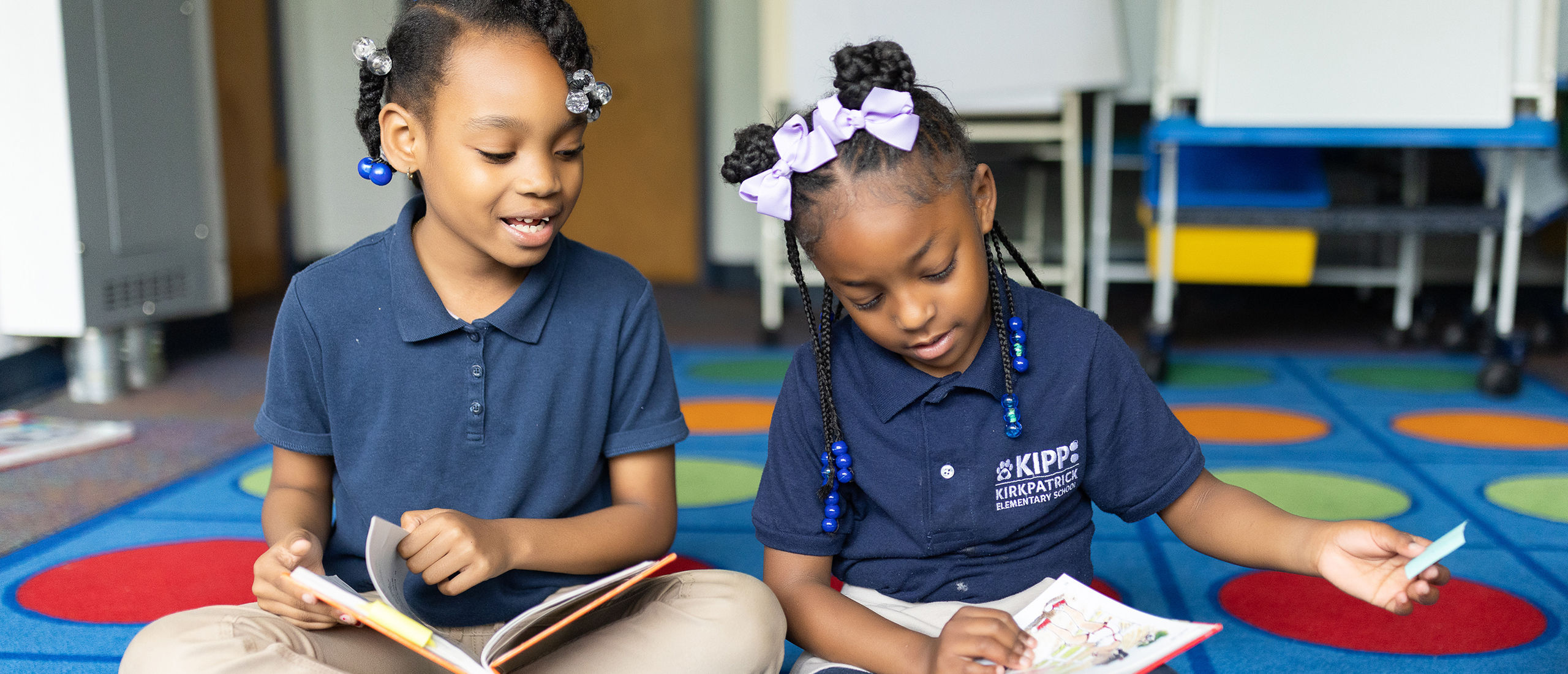
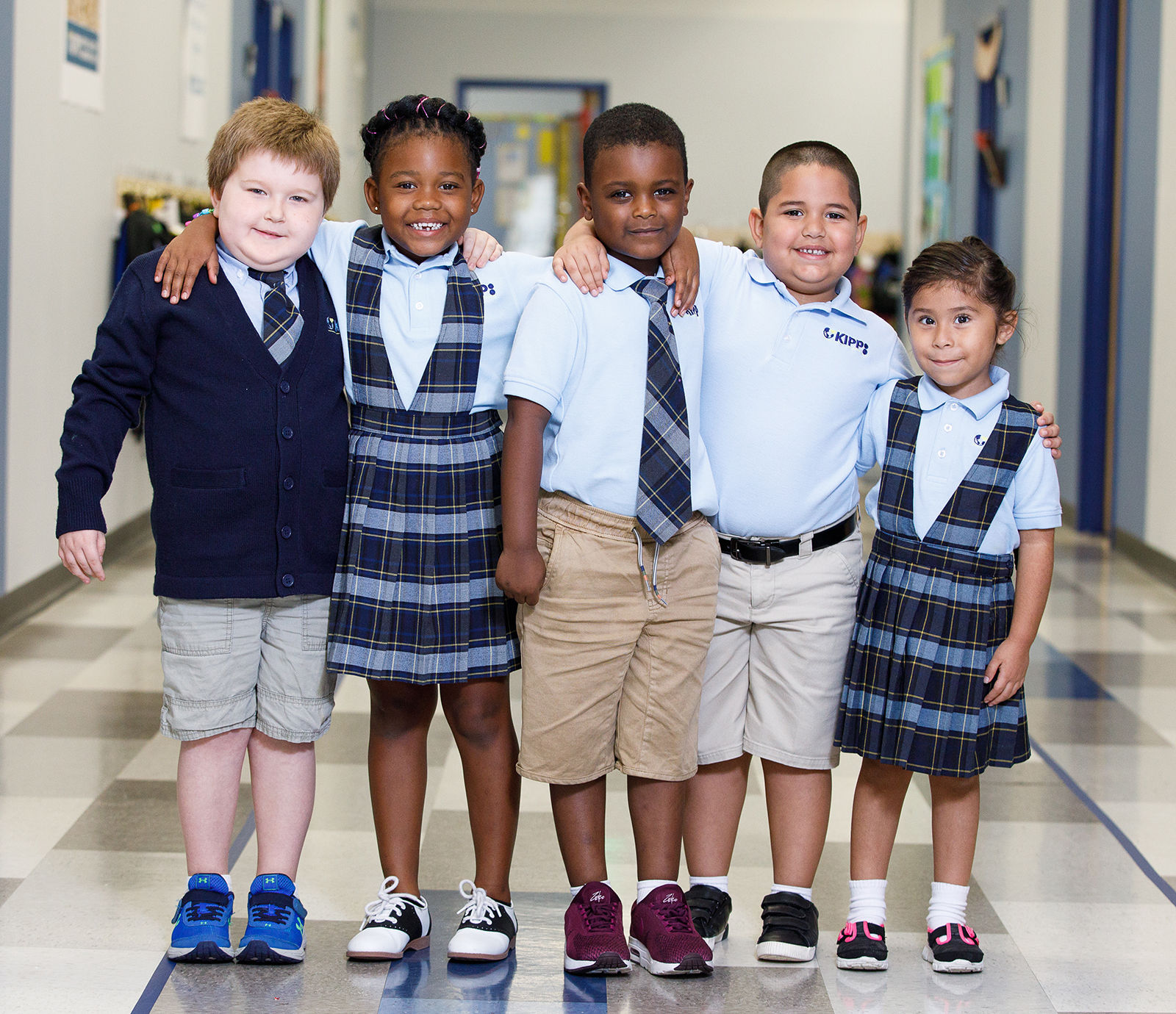
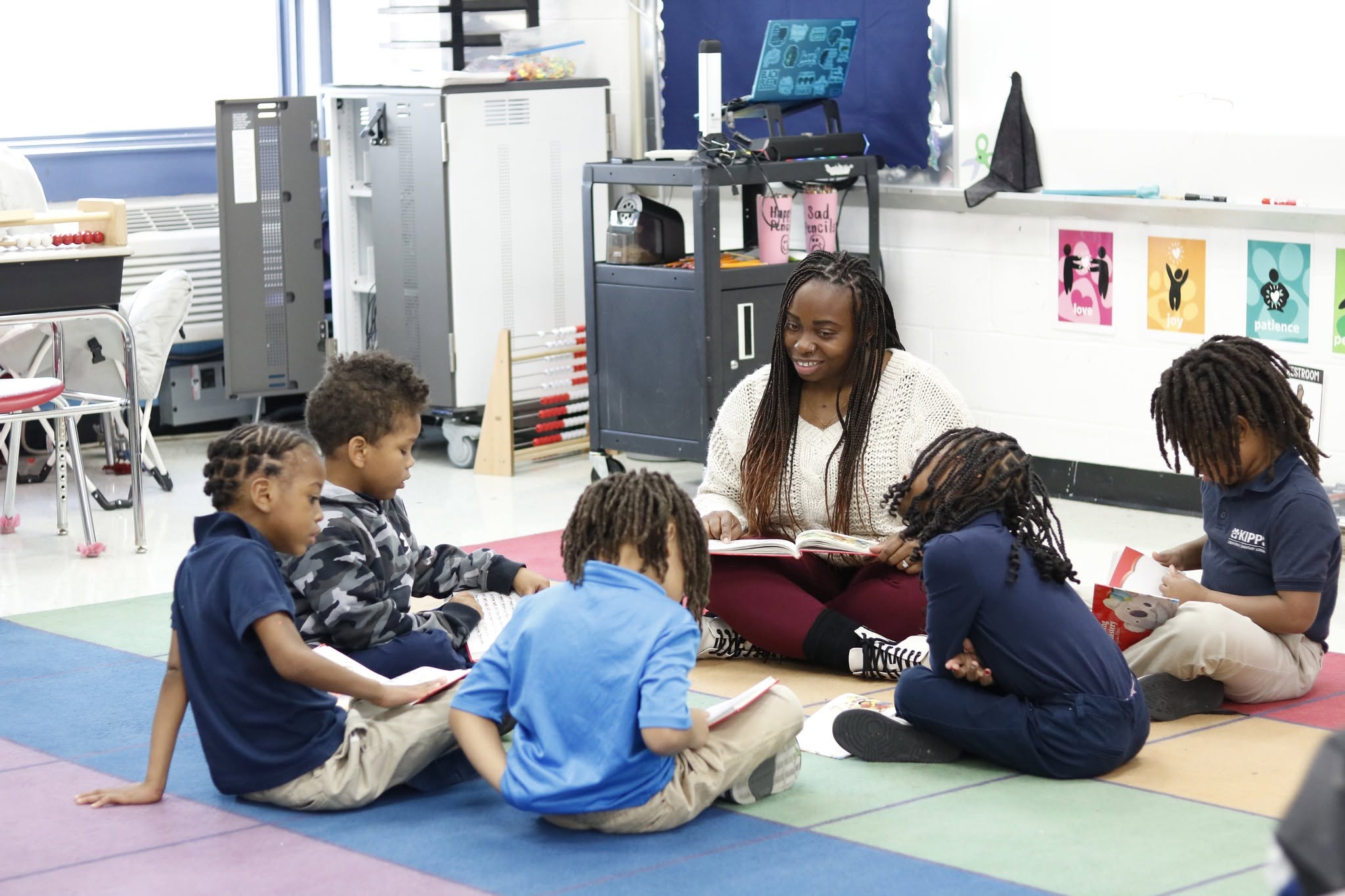
Elementary school is where students begin developing many of the academic skills and learning habits they’ll use throughout their education.
KIPP Nashville’s elementary schools emphasize foundational literacy and conceptual mathematics while cultivating curiosity and a love of learning. Students learn to read, write, communicate their thinking, solve problems, and make connections between ideas.
The elementary experience also recognizes that young students learn in different ways. Opportunities for arts, physical education, mindfulness, and other enrichment experiences give students time to create, move, explore, and discover new interests.
Along the way, students begin learning how to participate in a classroom community, navigate challenges, ask for help, and become increasingly confident and independent learners.
Middle School:
Middle school brings greater independence—and greater academic expectations.
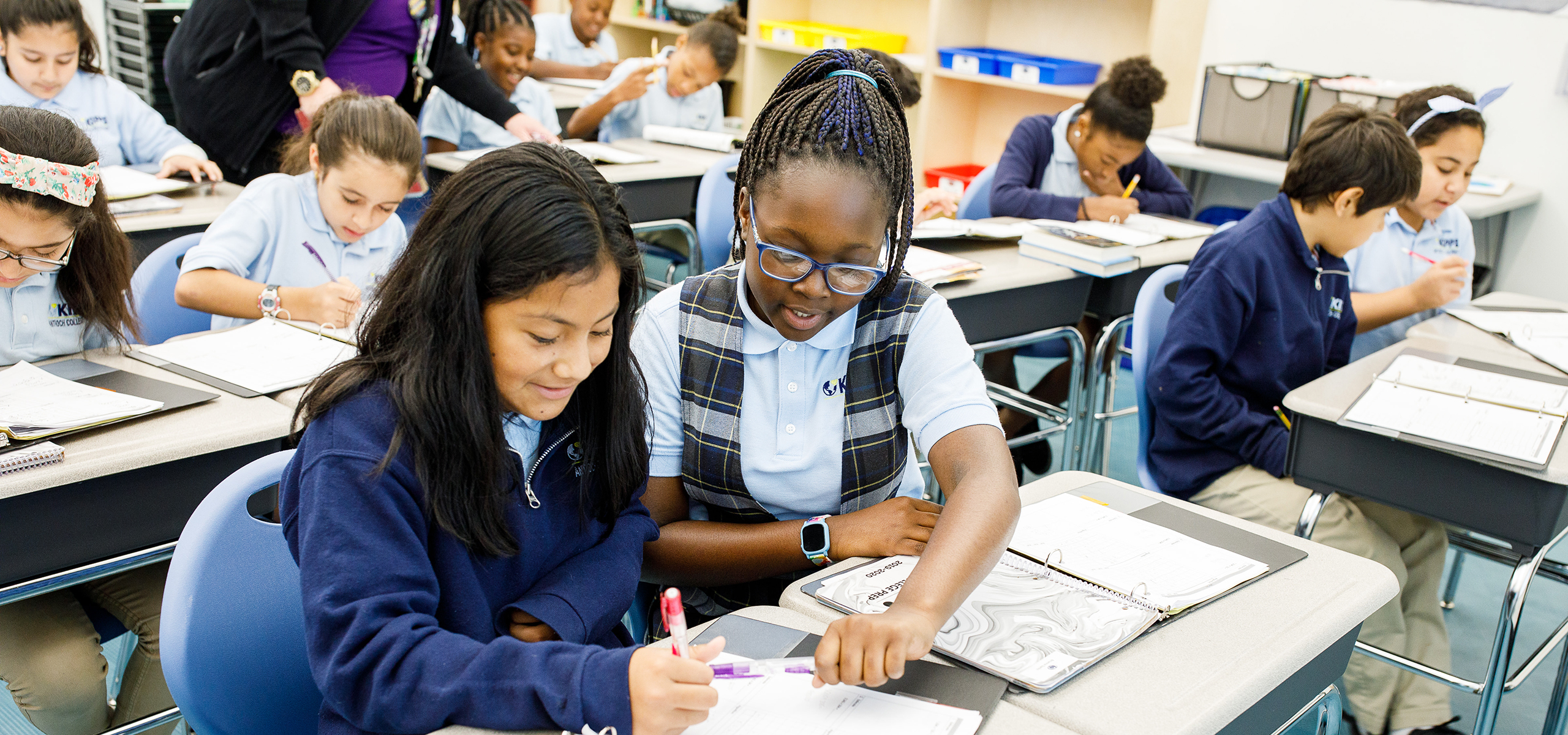
KIPP Nashville middle school students engage in rigorous coursework across subjects including Math, English, Science, and Social Studies. Students are encouraged to think critically, work both independently and collaboratively, and participate actively in classroom discussions.
These years are also a time of significant personal and social development. Students are discovering new interests, forming relationships, and developing stronger ideas about who they are.
Music, athletics, clubs, leadership, and other extracurricular opportunities give students additional ways to participate in their school communities and explore what interests them.
The goal is to help students leave eighth grade with stronger academic skills, greater confidence, and the habits they need to navigate the transition into high school.
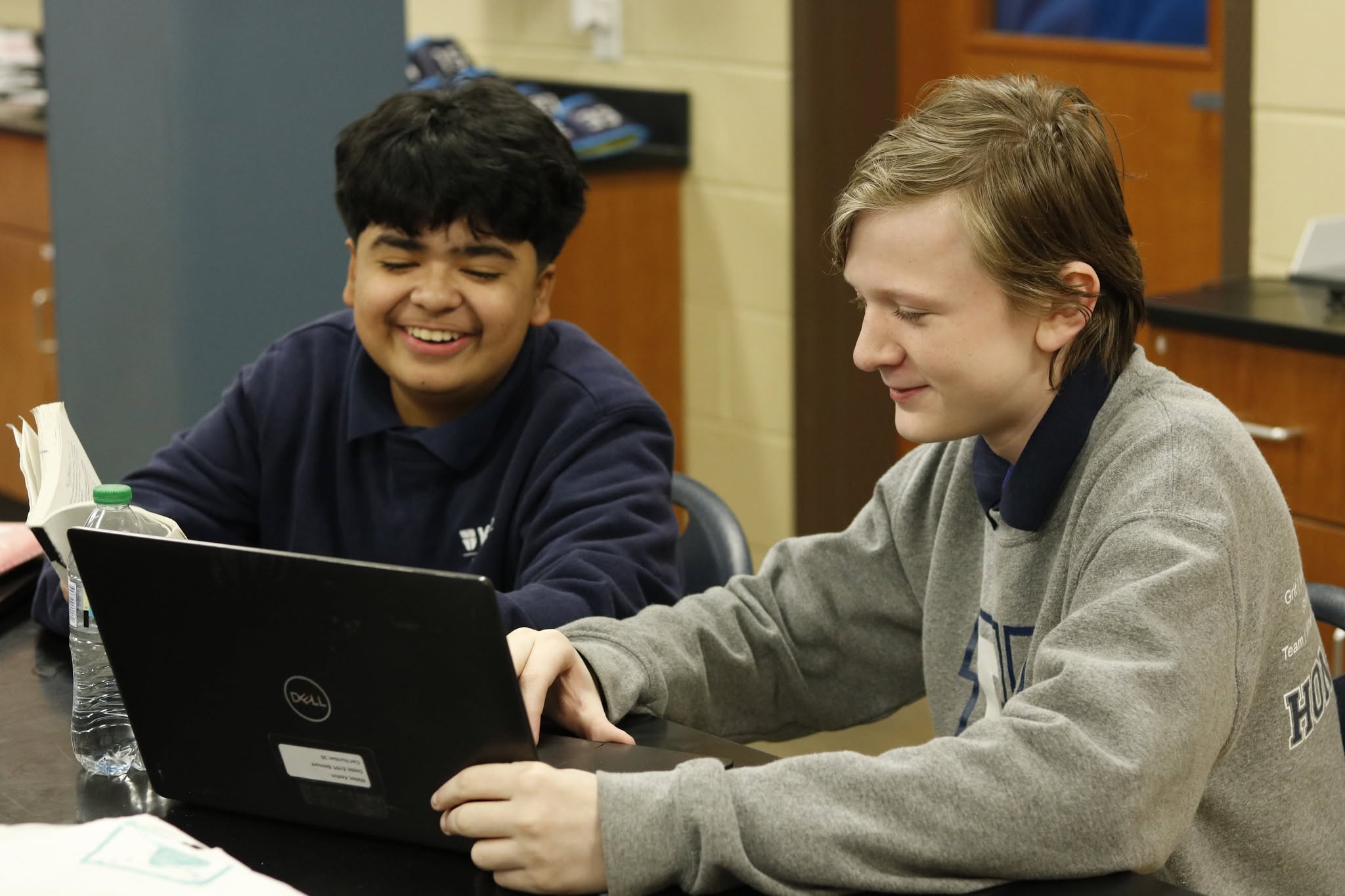
High School:
High school gives students opportunities to deepen their academic knowledge while beginning to make important decisions about their futures.
At KIPP Nashville high schools, students engage in challenging coursework designed to encourage critical thinking, meaningful discussion, and greater independence.
Students can also access advanced coursework, including AP opportunities. Course availability varies by school and year, so families should review current offerings for the campus they’re considering.
Beyond the classroom, high school students can explore their interests through electives, arts, athletics, clubs, leadership, and other extracurricular opportunities.
At the same time, college and career planning becomes an increasingly important part of the student experience.

Students don’t all have the same vision for life after graduation—and they shouldn’t have to.
KIPP Forward helps students identify their strengths and interests, understand the opportunities available to them, and make informed decisions about their next steps.
Beginning in high school, students receive guidance as they explore possibilities that may include a four-year college, technical education, career training, or entering the workforce.
Support can include:
KIPP Forward support can continue after graduation as alumni navigate college and career pathways.
This approach reflects an important part of KIPP Nashville’s new-site strategy: presenting college and career preparation as individualized guidance rather than a single prescribed outcome.
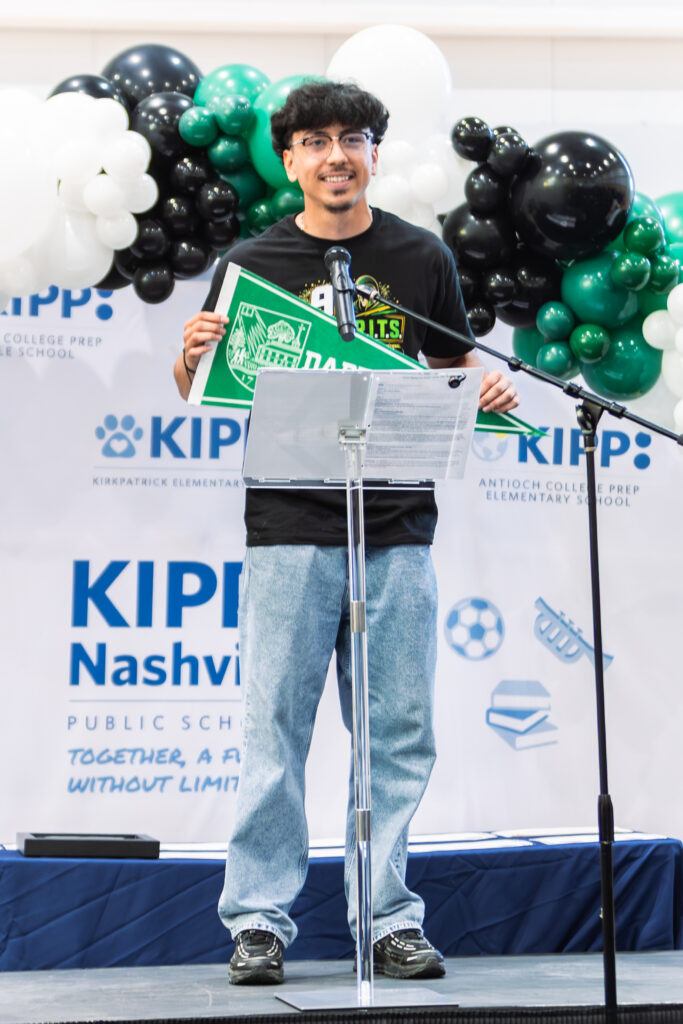
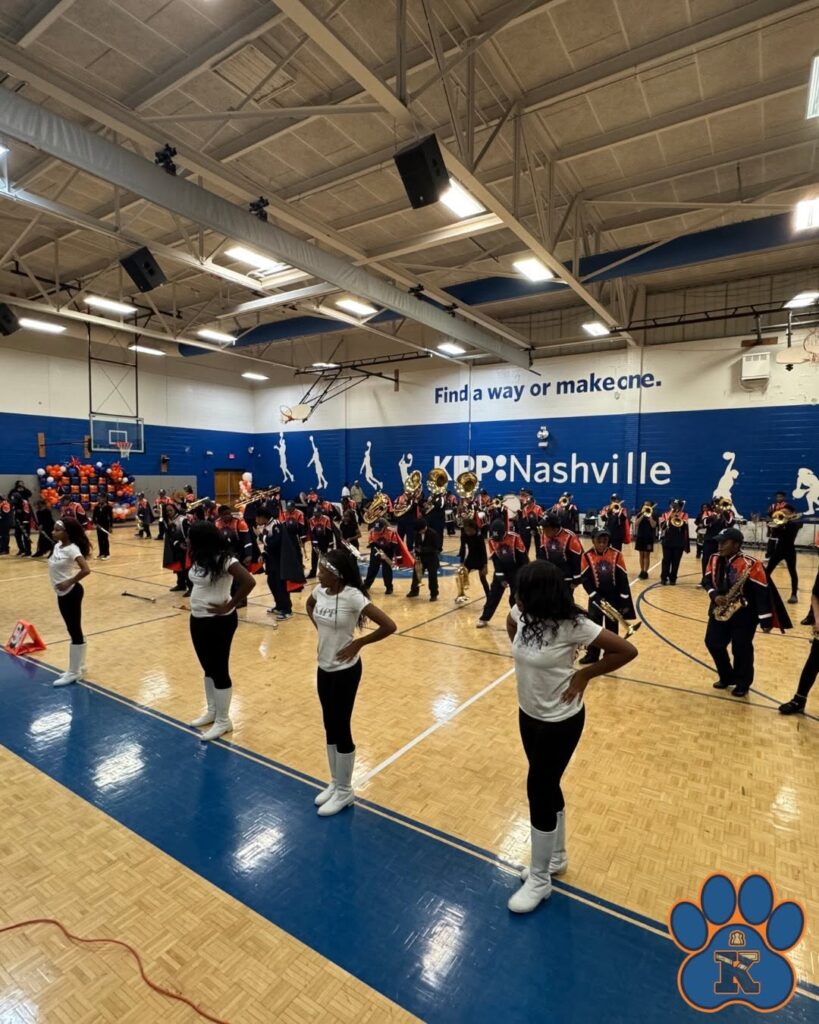
Some of the most memorable parts of school happen beyond core academic classes.
KIPP Nashville students have opportunities to participate in activities that help them explore interests, build friendships, express themselves, develop leadership skills, and become more connected to their school communities.
Depending on the campus and grade level, opportunities may include:
Specific programs vary by campus, grade, season, and school year. Families interested in a particular activity should review the individual school page or ask about current offerings during a campus tour.
Athletics give students another place to challenge themselves, develop skills, and experience what it means to work toward a shared goal.
Sports offered across KIPP Nashville schools can include basketball, soccer, cross country, track, cheerleading, and other activities, depending on the campus and school year.
For students, participating on a team can provide opportunities to practice perseverance, responsibility, communication, leadership, and teamwork while building relationships with classmates.
Because athletic offerings vary by school and season, families should check individual campus information for current teams and participation details.
Creative opportunities give students another way to find their voices.
Across KIPP Nashville, students can encounter music, visual arts, choir, band, performance, and other creative experiences depending on their school and grade level.
At some campuses, music is built directly into the student experience. Other schools provide opportunities through electives, performances, clubs, or extracurricular programs.
These experiences aren’t separate from student development. They give students opportunities to practice, collaborate, perform, create, and discover interests they may want to continue pursuing.
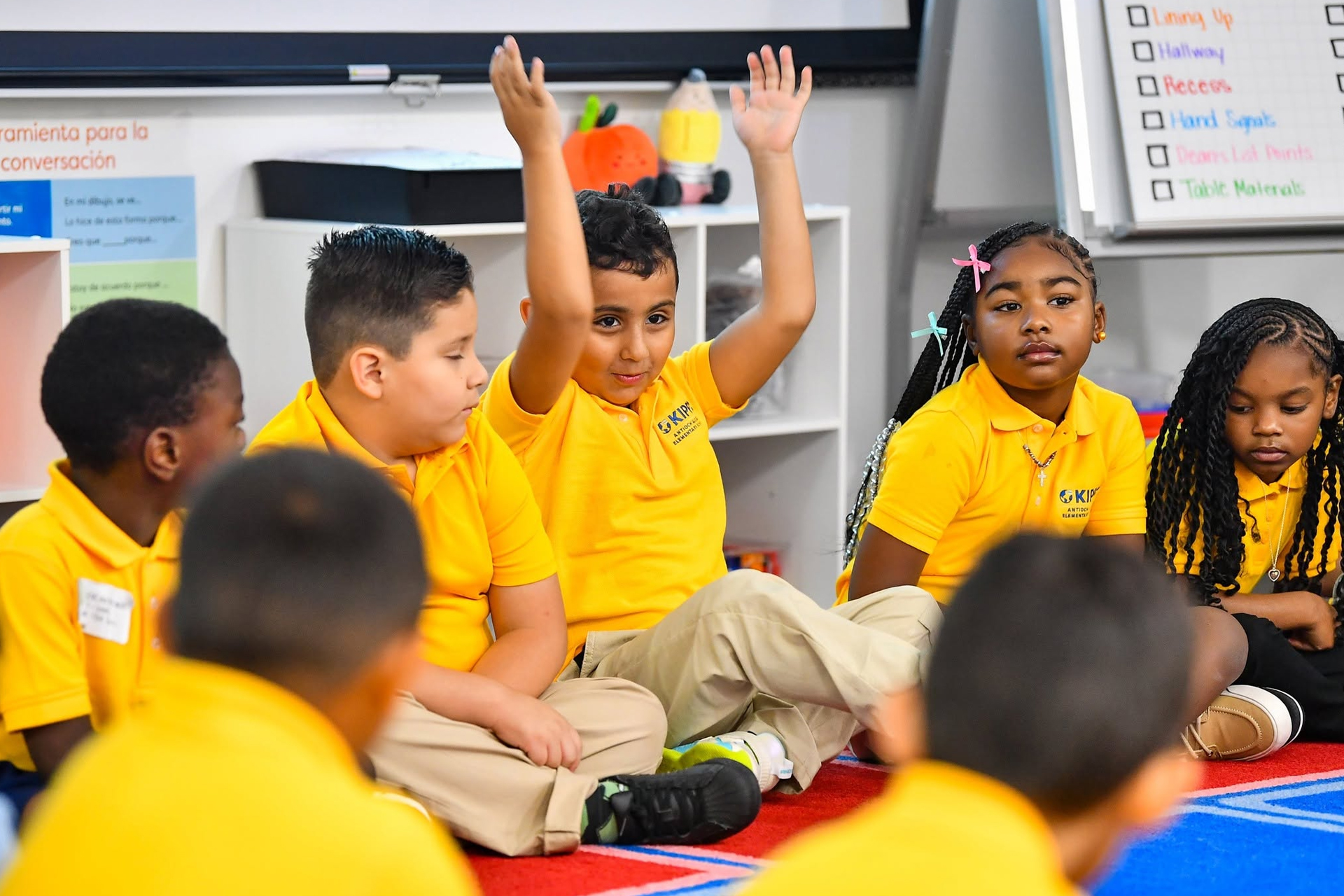
Students are more likely to engage in their education when they feel known, respected, and connected to the people around them.
KIPP Nashville’s approach considers academics alongside students’ social-emotional development, well-being, identity, and purpose. Schools work to create structured, supportive environments where students can build relationships with teachers and peers while being held to meaningful expectations.
Belonging doesn’t mean every student’s experience looks the same. Students bring different identities, personalities, interests, strengths, and needs into school.
The goal is to create communities where students can be themselves, contribute to their school, ask for support when they need it, and develop confidence as they grow.
The website strategy specifically identifies belonging and enrichment as one of KIPP Nashville’s core messaging pillars, with student voice, identity, relationships, arts, clubs, athletics, and leadership serving as evidence of that experience.
Students don’t all learn in the same way or need the same type of support.
KIPP Nashville’s Student Supports Team works to provide learning opportunities for students with different educational needs, including students receiving special education services, English Language Learners, and gifted students.
Families who have questions about a student’s specific needs should connect directly with the school they’re considering. A conversation with the campus team can provide more relevant information about available services and how support may look for an individual student.
Students aren’t the only ones joining a school. Families are joining a community, too.
Communication and partnership between caregivers and school staff can help everyone better understand how a student is progressing, where they’re thriving, and where they may need additional support.
Throughout the K–12 journey, families can stay connected to their student’s academics, activities, school expectations, and important transitions.
That partnership becomes especially valuable when students move from elementary to middle school, middle to high school, and eventually from high school into their next educational or career pathway.
Academic programs, activities, and statistics can tell you a lot about a school. Visiting can help you understand what being a student there actually feels like.
During a campus tour, families can learn more about classroom expectations, meet members of the school community, explore available programs, and ask questions about the topics that matter most to their student.
Each KIPP Nashville campus has its own programs, personality, and community. Exploring individual schools can help you find the environment that best fits your student.
Choosing a school isn’t only about academics or activities. It’s about how all the pieces come together.
KIPP Nashville’s tuition-free public charter schools combine rigorous learning with opportunities for students to develop relationships, explore interests, build confidence, and prepare for their futures.
Explore our schools, visit a campus, and learn what academics and student life could look like for your student.